World · India Bureau
Traditional bread-making practices tied to household prosperity in Hindu custom
According to Vastu Shastra principles, the method of preparing dough for daily bread carries spiritual significance in Indian households. Experts suggest proper hand-rolling techniques are believed to invite blessings of abundance and nourishment.
LSN India ·
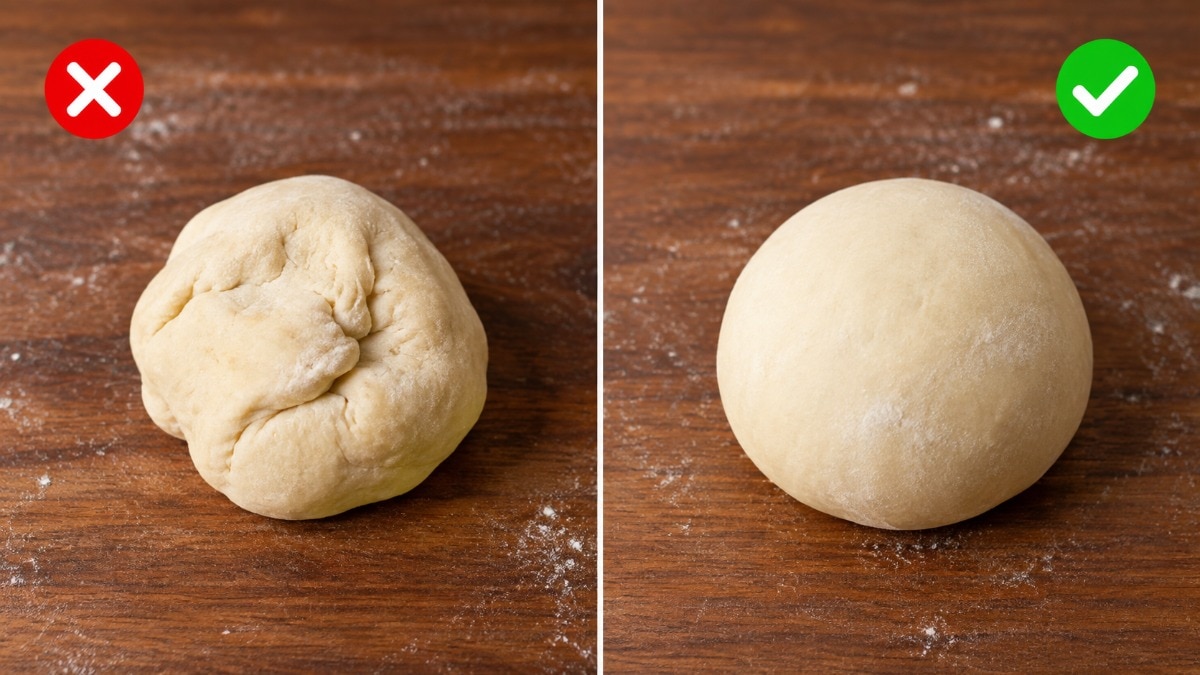
Vastu Shastra, the ancient Indian science of architecture and spatial arrangement, extends its principles to everyday household activities, including the preparation of bread dough. Traditional practitioners emphasize that the manner in which dough is kneaded and shaped holds cultural and spiritual importance in Indian homes.
According to Vastu principles, the dough ball should be shaped smoothly and uniformly by rolling it between the palms of both hands, rather than pressing it with fingertips. Practitioners claim that deep indentations or uneven surfaces created during preparation are considered inauspicious, drawing parallels to ritual offerings in Hindu ceremonies.
Vastu advocates recommend maintaining consistent, gentle hand-rolling motions to create a perfectly round and smooth dough ball. This practice is believed to maintain positive energy in the kitchen and household, while inviting the blessings of Lakshmi, the deity associated with prosperity and abundance, and Annapurna, the goddess of nourishment and food.
While such practices remain rooted in traditional belief systems rather than scientific evidence, many Indian households continue to observe these customs as part of their daily routines, viewing them as a means to preserve cultural values and household harmony.