Politics · India Bureau
Traditional hedge-laying techniques see major revival among British farmers
Over 2,500 farmers across Britain are reviving ancient hedgerow maintenance practices, restoring more than 1,300 kilometres of hedgerows with government support. The resurgence of traditional hedge-laying is yielding significant environmental benefits, from flood mitigation to enhanced biodiversity and carbon capture.
LSN India ·
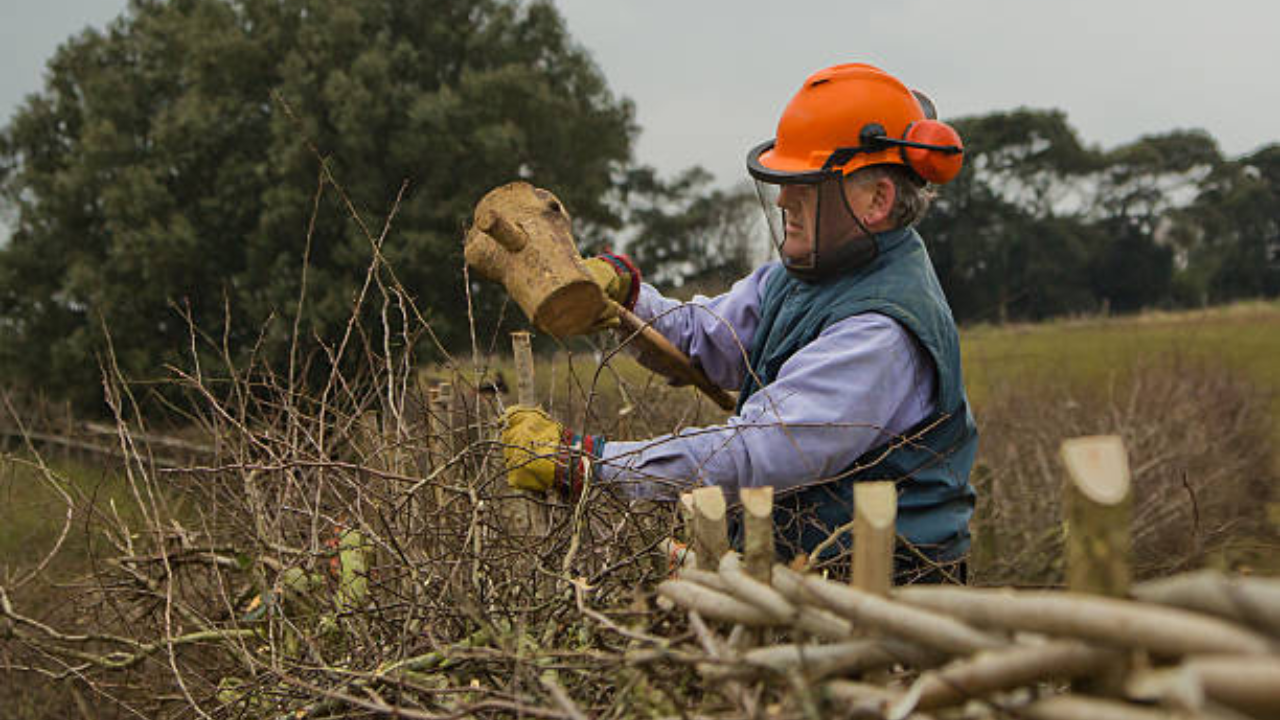
A centuries-old agricultural craft is experiencing a notable resurgence across Britain as farmers increasingly turn to traditional hedge-laying techniques to restore and maintain mature hedgerows. The revival, supported by government grants and conservation initiatives, has mobilised over 2,500 farmers who are collectively restoring more than 1,300 kilometres of hedgerows that had been neglected for decades.
Hedgerows, once common features of the British countryside, serve multiple ecological and practical functions. Beyond their role in preventing soil erosion and reducing flood risk during heavy rainfall, these natural barriers provide critical habitat corridors for wildlife, supporting populations of insects, birds, and small mammals essential to broader ecosystem health.
The renewed interest in traditional hedge-laying methods comes as farmers and environmental specialists recognise the technique's capacity to address modern challenges. Well-maintained hedgerows act as carbon sinks, capturing atmospheric carbon and contributing to climate mitigation efforts—a benefit that aligns with both environmental and agricultural sustainability goals.
Government funding mechanisms have proven instrumental in enabling farmers to undertake these labour-intensive restoration projects. By combining ancient agricultural knowledge with contemporary conservation science, the hedge-laying revival demonstrates how traditional practices can address 21st-century environmental challenges while preserving cultural heritage and supporting rural livelihoods.