World · Bangladesh Bureau
Traditional horse carts remain lifeline on Jamuna's vast riverine islands
In the sprawling chars of the Jamuna River, horse-drawn carts continue to serve as a vital mode of transport for residents navigating the expansive sandy terrain. The traditional vehicles remain largely unchanged despite the passage of decades and modern developments elsewhere.
LSN Bangladesh ·
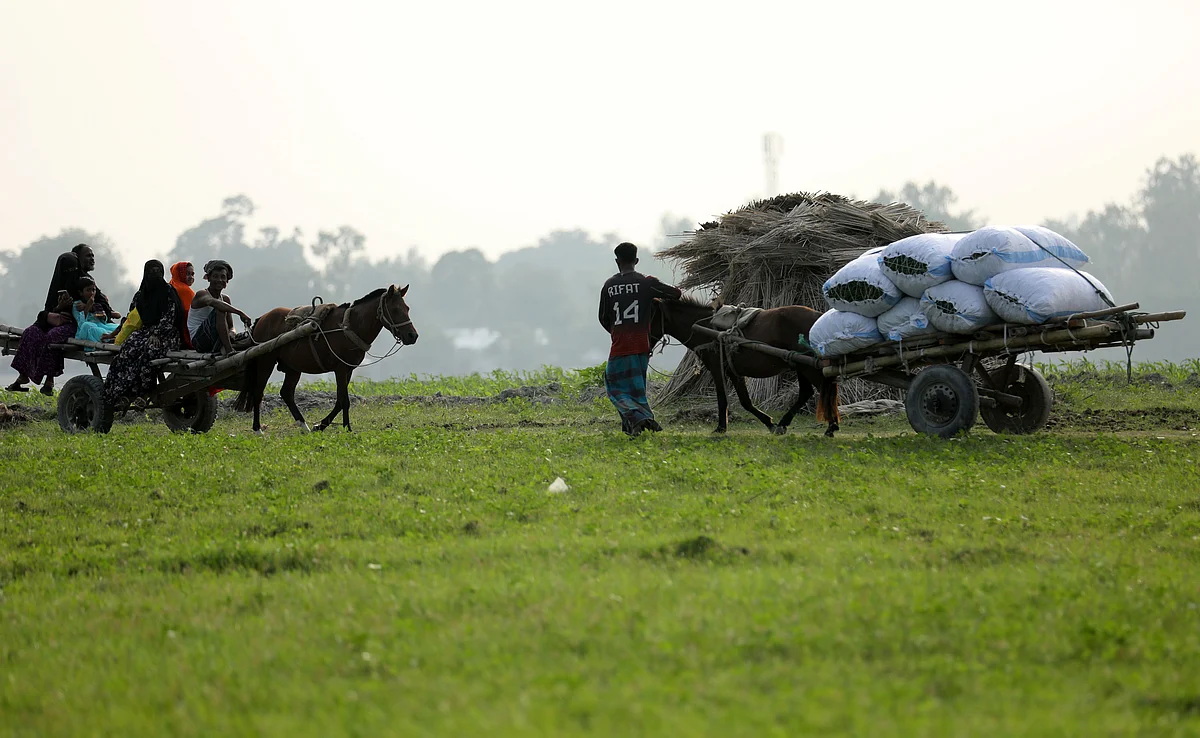
The Jamuna River's extensive char lands present unique transportation challenges due to their remote location and seasonal flooding patterns. Horse-drawn carts have long been the primary means of moving goods and passengers across these vast, shifting islands, where conventional road infrastructure remains limited. The wooden-wheeled vehicles, pulled by sturdy horses adapted to local conditions, connect scattered settlements and enable trade with nearby market towns.
Residents of the chars have developed a deep familiarity with these transport methods, which prove more practical than motorized vehicles on the uneven, sandy surfaces that characterize the riverine landscape. The carts transport agricultural produce, household goods, and construction materials, serving as the economic backbone linking remote communities to broader markets. During the monsoon season, when water levels rise dramatically, the carts become impassable, forcing residents to rely on boats and other water-based transportation.
Local authorities have invested minimally in road development across the chars, leaving horse-cart owners with a sustained demand for their services. The absence of alternative infrastructure means these traditional transport systems show no signs of declining. For many char residents, particularly those engaged in farming and small-scale commerce, the horse carts remain indispensable to their daily livelihoods and economic survival.