World · Bangladesh Bureau
Traditional pottery craft sustains livelihoods across South Asia
Artisans continue to rely on centuries-old pottery techniques to support their families, maintaining a cultural heritage that remains economically vital despite modern competition. The trade, passed down through generations, provides employment to thousands across the region.
LSN Bangladesh ·
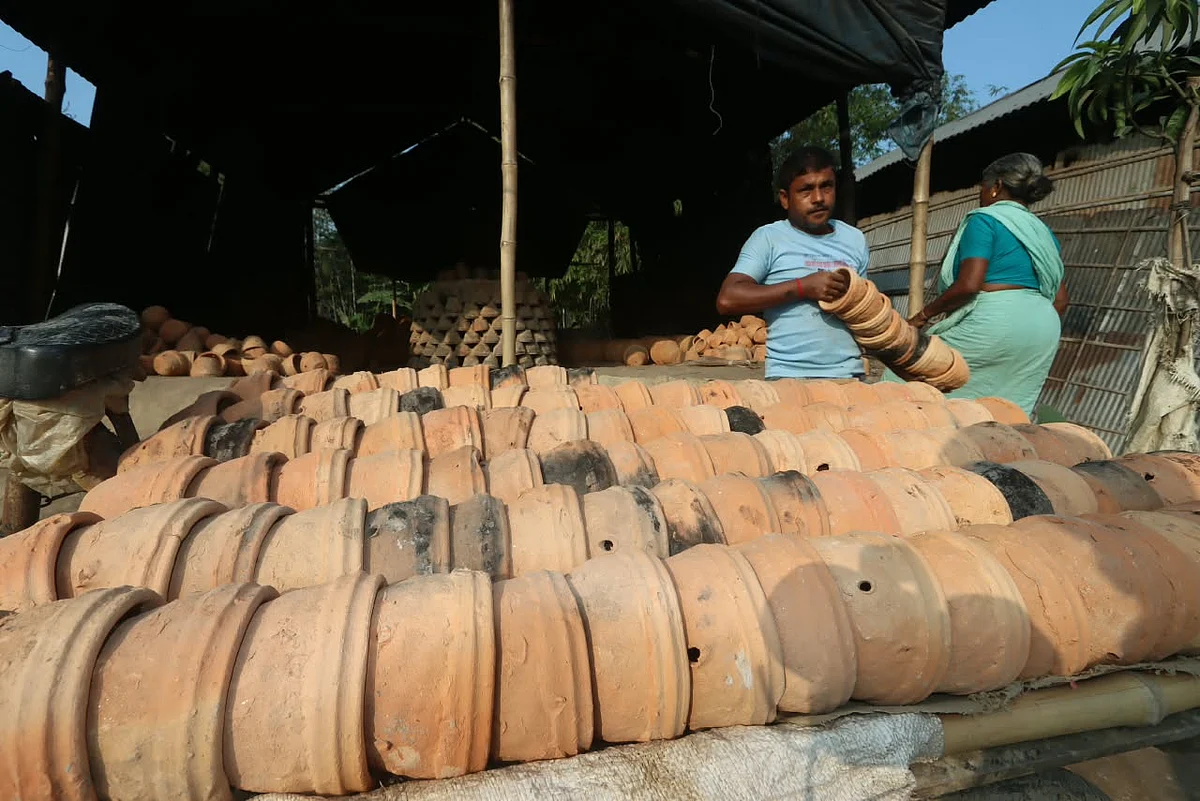
Pottery remains a cornerstone livelihood for artisan communities across South and Southeast Asia, with craftspeople employing traditional methods to produce clay vessels for daily use and ceremonial purposes. The trade encompasses diverse production techniques, from hand-throwing on potter's wheels to hand-shaping and firing in kilns, techniques that have remained largely unchanged for centuries.
For many families in rural and semi-urban areas, pottery work represents a primary source of income. Artisans typically begin training in childhood, acquiring skills through observation and practice within family units. The craft requires significant manual labor and expertise, as potters must select appropriate clay, shape vessels with precision, and manage complex firing processes that determine product quality.
While modern industrial production has reduced demand for handmade ceramics in some sectors, traditional pottery maintains market presence through domestic consumption and tourism-driven sales. Vessels produced through conventional methods serve practical functions in households and retain cultural significance in religious and social ceremonies throughout the region.
Artisans face ongoing challenges including fluctuating raw material costs, competition from cheaper mass-produced alternatives, and limited access to organized markets. Despite these pressures, pottery communities continue operating, with younger generations maintaining family traditions while adapting to contemporary market conditions. Government support programs and cultural heritage initiatives in several countries aim to sustain the craft and ensure its transmission to future generations.