World · India Bureau
Traditional technique yields soft, fluffy buckwheat flatbreads
Home cooks struggling with crumbly buckwheat rotis can achieve tender, well-risen results using a time-tested domestic method. The technique addresses common challenges faced when preparing kuttu ki roti, a staple during fasting periods across India.
LSN India ·
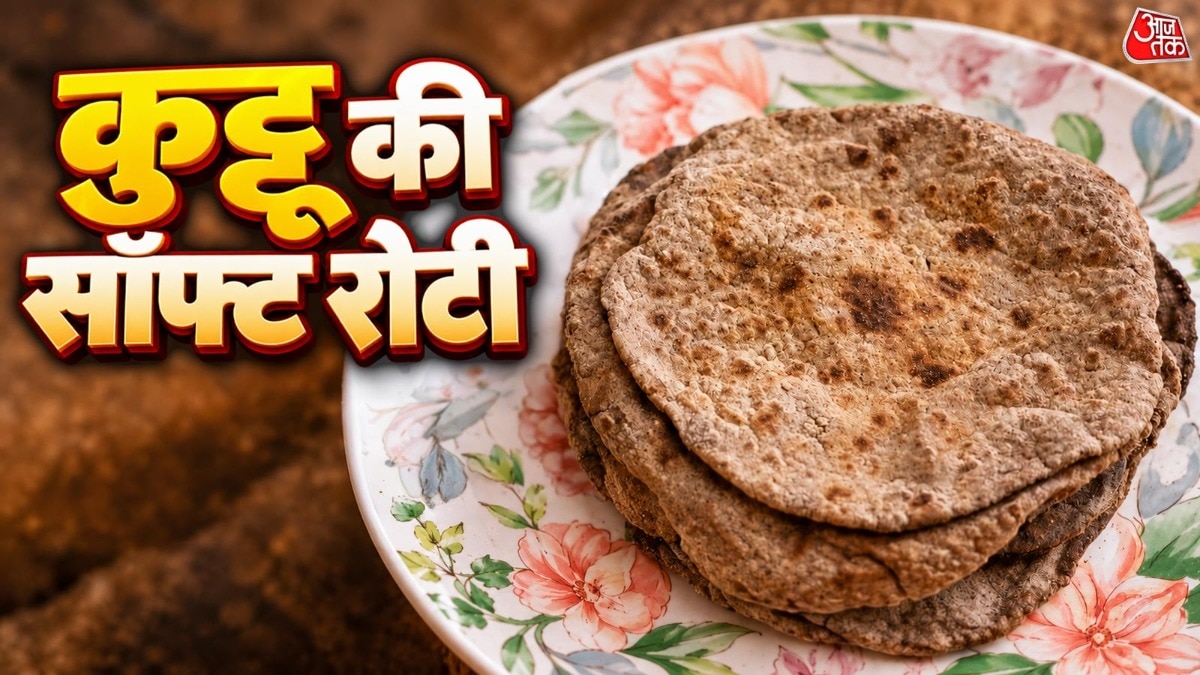
Buckwheat flour rotis have long presented challenges for home cooks, with the dough frequently crumbling and tearing during preparation. The absence of gluten in kuttu ka atta makes achieving the desired texture and elasticity particularly difficult compared to wheat-based flatbreads. However, traditional Indian cooking methods offer practical solutions to these common problems.
The key to producing soft, pliable buckwheat rotis lies in proper dough preparation and handling techniques passed down through generations. By following established domestic practices, cooks can create rotis that are not only tender but also capable of puffing up like traditional wheat rotis when cooked on a griddle. These methods require no special equipment or exotic ingredients, relying instead on time-honored approaches known to Indian kitchens.
The improved technique addresses the structural limitations of buckwheat flour while maintaining the nutritional benefits and fasting-friendly status of this traditional staple. For those observing vrats and other fasting periods, mastering these preparation methods ensures a more satisfying culinary experience. The resulting rotis achieve the desired combination of softness and malleability that makes them suitable for everyday meals during fasting seasons across India.