World · India Bureau
Traditional techniques help achieve softer, fluffier bajra roti
Bajra roti, a nutritious staple particularly popular during winter months across India, often becomes brittle or breaks during preparation. Simple traditional methods can help home cooks achieve consistently soft and tender results.
LSN India ·
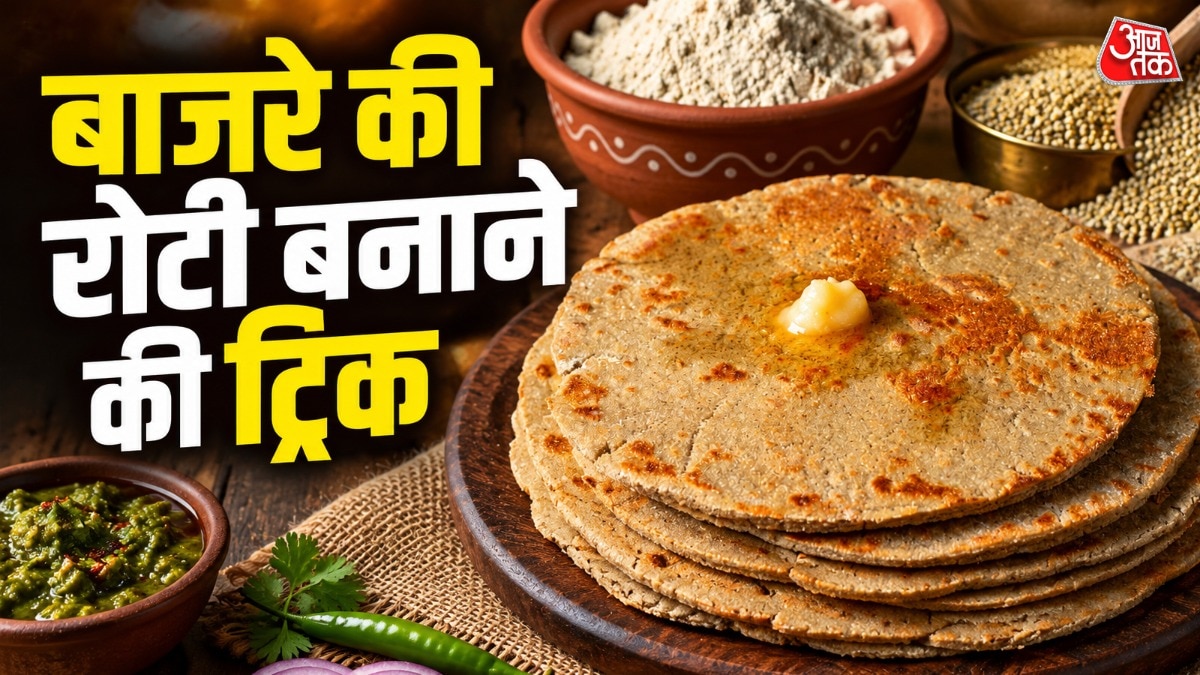
Bajra, or pearl millet, is widely recognized for its health benefits and remains a dietary staple in many Indian households, especially during the cooler months. However, preparing bajra roti presents common challenges—the dough frequently cracks during rolling, and the finished bread often turns hard and difficult to eat.
The issues arise from bajra's naturally low gluten content compared to wheat, which affects dough elasticity and water retention. Traditional home preparation methods address these concerns through time-tested techniques passed down through generations.
Cooking experts recommend adding warm water gradually to the flour while kneading, ensuring the dough achieves optimal consistency—soft but not sticky. Some practitioners suggest incorporating a small amount of ghee or oil into the dough, which improves texture and prevents drying. Allowing the kneaded dough to rest for 15-20 minutes before rolling facilitates better workability and reduces cracking during the rolling process.
When cooking, maintaining moderate heat on the griddle prevents the roti from hardening prematurely. Practitioners also recommend wrapping freshly cooked bajra roti in a cloth immediately after preparation to retain moisture and maintain softness. Consuming the bread while warm enhances both texture and nutritional absorption, making it a more satisfying and healthful meal.