World · Malaysia Bureau
Training programmes failing marginalised Indian communities, author argues
A new book questions whether millions of ringgit spent on skills training initiatives are genuinely benefiting impoverished Indian Malaysians. Author Janakey Raman Manickam examines the effectiveness of such programmes in his latest work.
LSN Malaysia ·
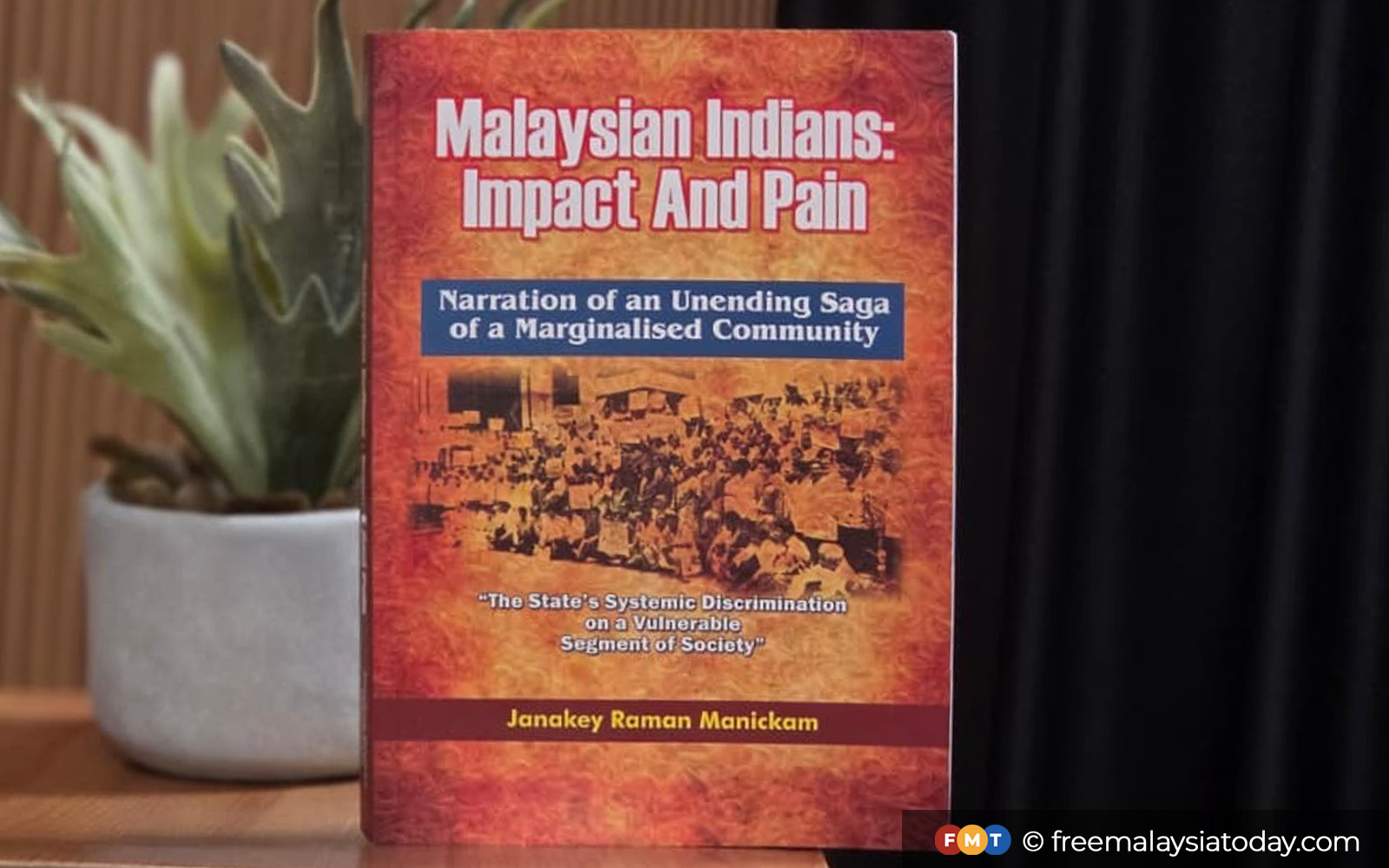
A critical examination of Malaysia's approach to supporting economically disadvantaged Indian communities has raised questions about the real-world impact of government-funded training schemes.
In his new book, author Janakey Raman Manickam scrutinises whether the substantial financial investment in vocational and skills training programmes translates into tangible benefits for poor Indian Malaysians. The work suggests a potential disconnect between the scale of spending and measurable improvements in the lives of intended beneficiaries.
The author's investigation appears to challenge the effectiveness of existing initiatives, highlighting concerns about programme design and implementation. His analysis comes at a time when policymakers across the region continue to seek solutions for improving economic mobility among marginalised communities.
The book adds to ongoing discussions about targeted social support in Malaysia, particularly regarding the allocation and utilisation of resources meant for vulnerable populations. Such scrutiny is expected to prompt further debate among government agencies, development specialists, and civil society organisations working on poverty alleviation and skills development.