Politics · Malaysia Bureau
Transboundary haze linked to elevated lung cancer risk, warns Malaysian expert
Even after the annual transboundary haze clears from Malaysian skies, health consequences may persist for years, according to the president of Lung Cancer Network Malaysia. Dr Anand Sachithanandan has highlighted the connection between prolonged haze exposure and increased lung cancer risk among affected populations.
LSN Malaysia ·
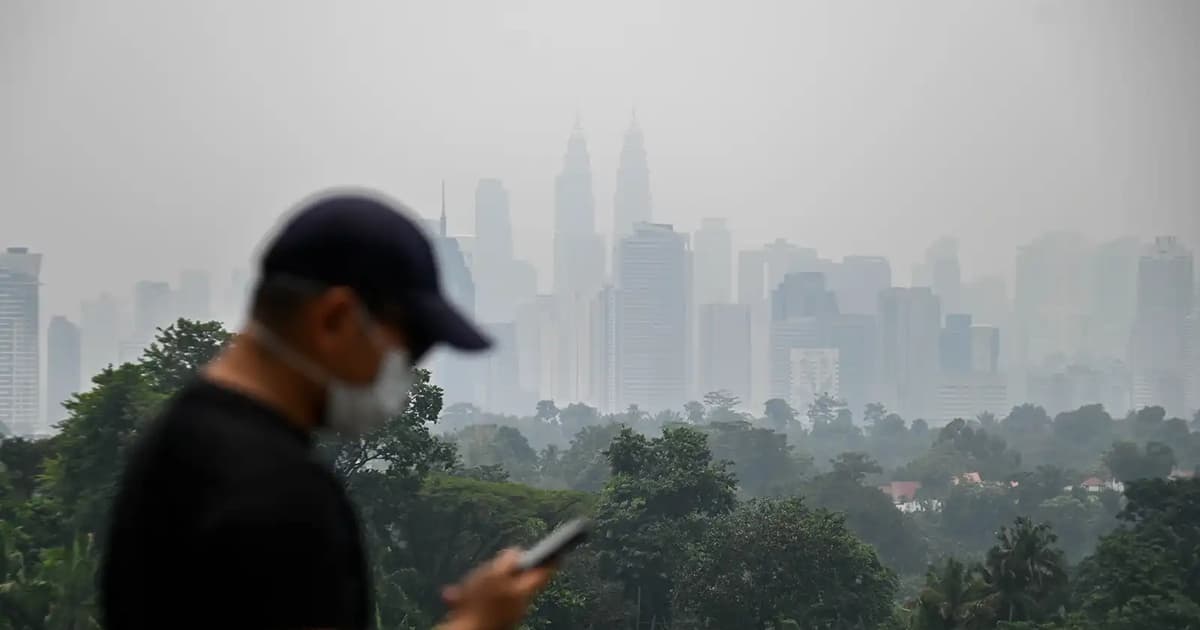
The seasonal transboundary haze that blankets Malaysia and other Southeast Asian nations each year poses a significant but often overlooked long-term health threat, medical experts warn. While the visible air pollution typically dissipates within weeks or months, the cumulative damage to respiratory systems may not manifest for several years, creating a delayed health crisis that extends well beyond the immediate haze season.
Dr Anand Sachithanandan, president of Lung Cancer Network Malaysia, has drawn attention to epidemiological evidence linking sustained exposure to transboundary haze with elevated lung cancer risk. The concern is particularly acute given the region's recurring exposure to hazardous air quality levels, which can reach dangerous concentrations of fine particulate matter during peak haze periods.
Healthcare professionals emphasize that the public health impact of transboundary haze extends beyond acute respiratory symptoms such as coughing and breathing difficulties. Prolonged inhalation of fine particles can trigger inflammatory responses and cellular damage in the lungs, potentially initiating carcinogenic processes that develop silently over extended periods. This latency period between exposure and disease manifestation complicates efforts to raise public awareness and implement preventive measures.
The findings underscore the importance of sustained air quality monitoring, public health surveillance, and regional cooperation to address the root causes of transboundary haze. Health authorities across Malaysia are encouraged to implement long-term epidemiological studies to better understand the haze's carcinogenic implications and develop comprehensive public health strategies.