World · Bangladesh Bureau
Transport fares surge, adding pressure on household budgets
Bus and truck operators have announced fare increases that will ripple through Bangladesh's economy, raising costs for commuters and businesses already grappling with inflationary pressures.
LSN Bangladesh ·
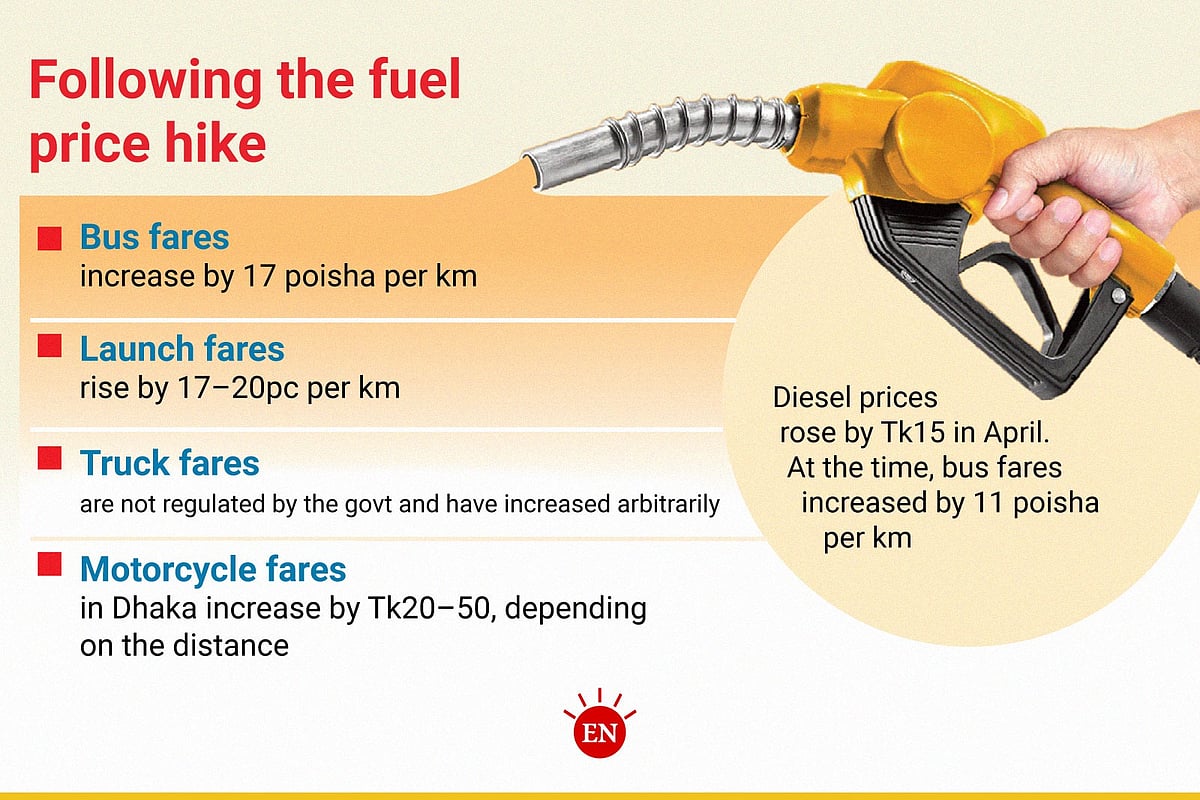
Public and commercial transport operators have hiked fares for both passenger buses and freight trucks, effective immediately across major routes nationwide. The increases mark another rise in living costs for ordinary Bangladeshis, coming as households contend with elevated prices for food, fuel, and utilities.
Passenger bus fares have climbed significantly on intercity and intracity routes, while trucking companies have similarly raised charges for cargo transportation. Transport owners cite rising fuel costs, maintenance expenses, and operational challenges as reasons for the adjustment. However, the move is expected to create downstream effects, with increased transport costs likely to drive up prices of goods and services reliant on logistics.
Commuters and business operators have expressed concern about the cumulative impact of repeated fare hikes. For daily wage earners and small traders, higher transport costs directly affect disposable income and profit margins. The increases are also anticipated to influence inflation metrics, potentially affecting prices at retail markets across the country.
The fare hikes underscore growing pressure on Bangladesh's transport sector, which continues to balance operational sustainability with affordability for users. Consumer advocacy groups have called for regulatory oversight to prevent further unwarranted increases, while transport operators argue that cost recovery is essential for maintaining service quality and vehicle safety standards.