World · India Bureau
Travellers wrap passports in foil to protect data; experts weigh risks
Some international travellers are wrapping their passports in aluminium foil, believing it prevents electronic chip data theft. Security experts caution the practice may create more problems than it solves.
LSN India ·
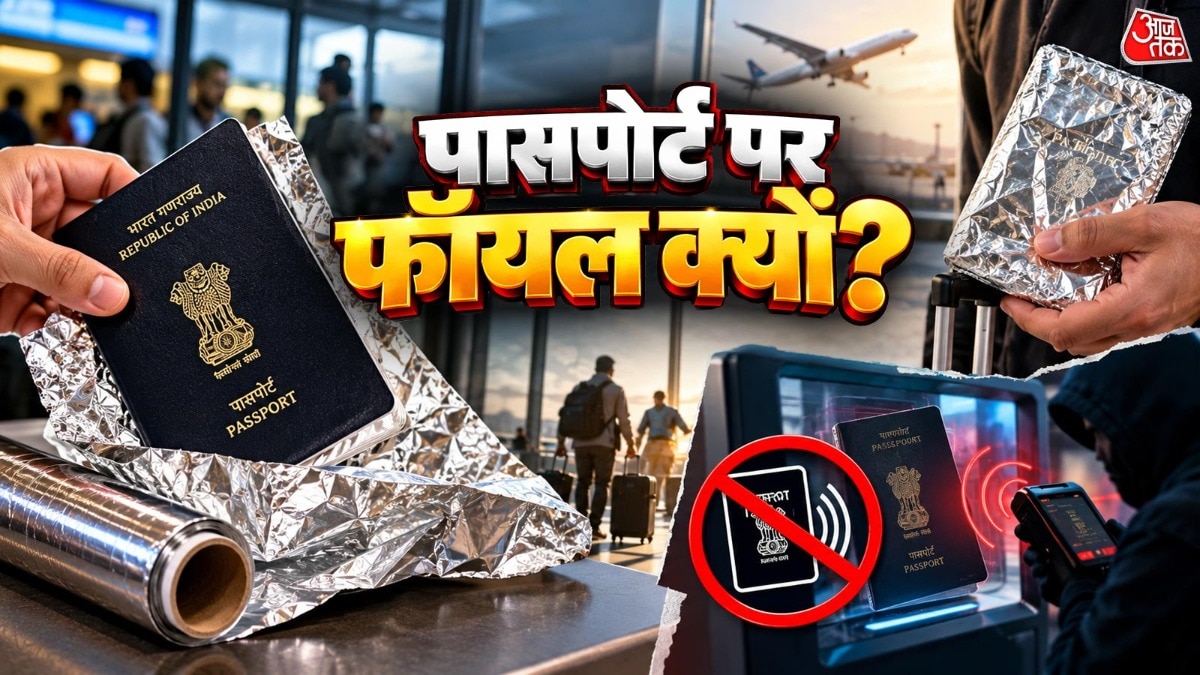
A growing number of Indian passport holders are adopting an unconventional security measure ahead of international travel: wrapping their documents in aluminium foil. The practice stems from concerns that the embedded electronic chip in modern passports could be vulnerable to unauthorised data extraction by criminals or surveillance devices.
Proponents of the method argue that the metallic coating creates a protective barrier that shields the chip's sensitive information—including biometric data and travel history—from wireless scanning or digital interception. However, security researchers and passport authorities have raised significant concerns about whether the technique is actually effective or if it creates additional complications.
Experts note that while foil may block some radio frequencies, the shielding effectiveness is inconsistent and depends on multiple factors including foil thickness and coverage. More critically, wrapping passports in foil can cause physical damage to the documents, potentially rendering them unreadable at immigration checkpoints. Airport security scanners and biometric systems rely on reading both the chip and the document's physical features; obstructions could delay or prevent processing.
Indian authorities recommend keeping passports in protective cases specifically designed for the purpose, which maintain document integrity while offering adequate protection. Travellers concerned about data security are advised to consult official guidelines from the Ministry of External Affairs and Passport Seva rather than adopting unverified protective methods that may violate travel document handling regulations.
The growing trend reflects broader traveller anxiety about digital privacy, though security specialists emphasise that modern passport chips employ encryption standards specifically designed to resist unauthorised access.