World · India Bureau
Tribal Women Face Health Risks Over Inadequate Menstrual Shelters
Lack of proper sanitary facilities during menstruation is exposing tribal women and adolescent girls to serious health complications, with existing shelters severely inadequate to meet community needs.
LSN India ·
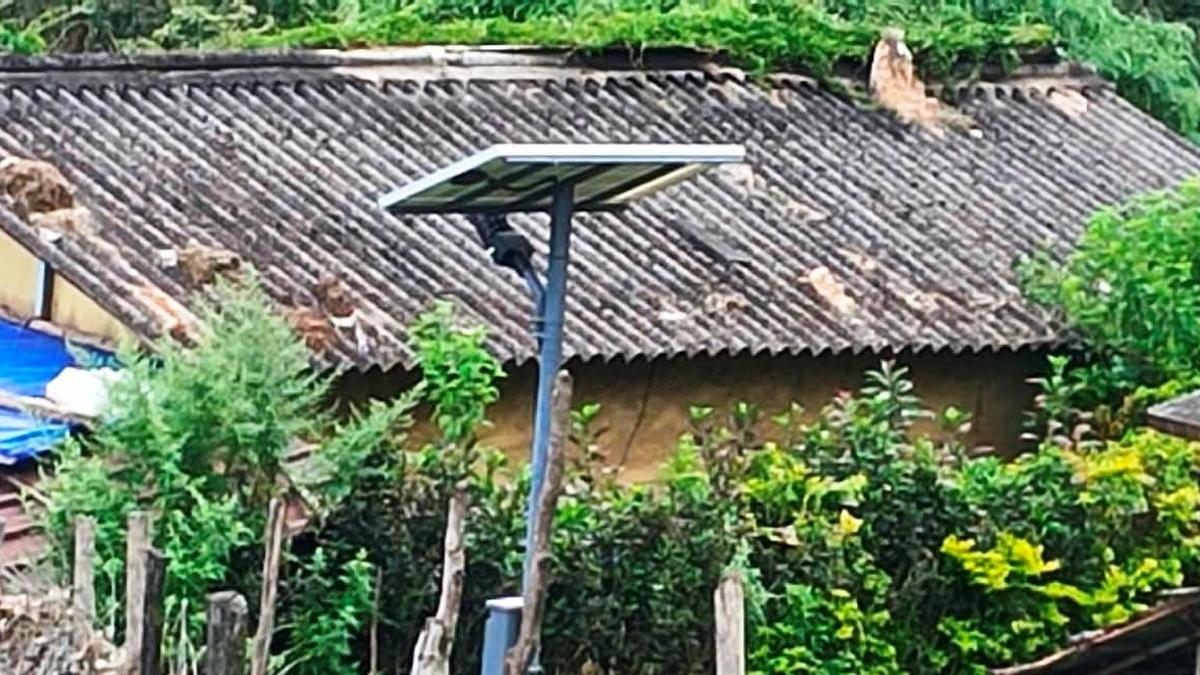
Tribal communities across South Asia continue to grapple with a critical shortage of hygienic menstrual shelters, forcing women and adolescent girls to manage their periods in unsanitary conditions that pose significant health risks. The problem is particularly acute in remote tribal areas where traditional practices intersect with inadequate infrastructure, leaving vulnerable populations with few safe alternatives.
In many communities, a single menstrual shelter—locally known as a valaimpura—serves approximately 100 women and adolescent girls. The existing facilities are often in severely deteriorated condition, lacking basic amenities such as clean water, proper ventilation, adequate lighting, and waste disposal systems. These deficiencies create an environment conducive to infections and other health complications among menstruating individuals.
The absence of dignified, hygienic spaces forces many tribal women to resort to unsafe practices or isolate themselves during menstruation, affecting their educational attendance, work productivity, and overall well-being. Health experts warn that prolonged exposure to unhygienic menstrual practices can lead to reproductive tract infections and other serious medical conditions.
Advocates are calling for urgent government intervention to construct and maintain adequate menstrual health facilities in tribal areas, coupled with awareness programmes about menstrual hygiene. Civil society organisations emphasize that addressing this gap is essential to ensuring the health, dignity, and rights of tribal women across the region.