World · India Bureau
Tripindi Shraddha: Understanding Hindu ritual honouring three generations
During Pitru Paksha, Hindus perform Shraddha and Tarpan ceremonies to seek peace for departed ancestors. Tripindi Shraddha holds special significance, involving offerings made to three generations of forebears.
LSN India ·
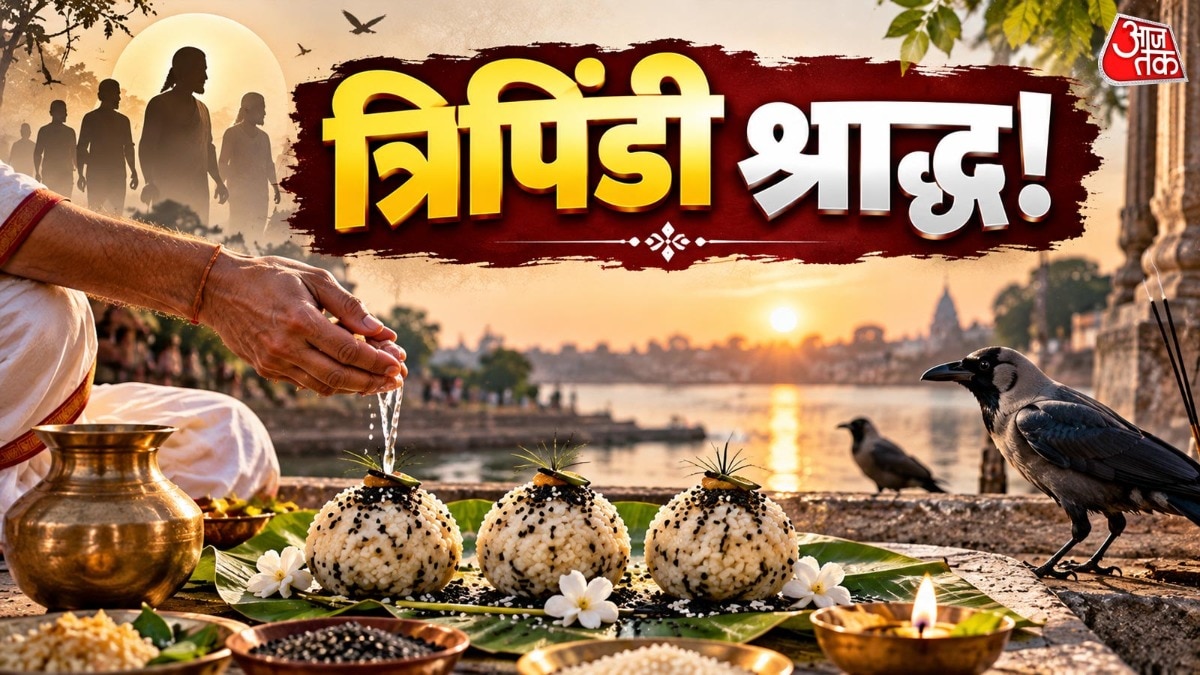
Tripindi Shraddha is a sacred Hindu ritual performed during the Pitru Paksha period to honour and appease the souls of ancestors. The ceremony involves making three ritual offerings, or 'pindas', dedicated to one's father, grandfather, and great-grandfather respectively.
The practice is rooted in Hindu philosophical tradition, which emphasises the importance of maintaining spiritual bonds with departed family members. During Pitru Paksha—a fortnight dedicated to ancestral veneration—families perform Shraddha and Tarpan ceremonies believed to provide peace and satisfaction to the souls of the deceased.
The three pindas in Tripindi Shraddha are carefully prepared and offered with specific mantras and prayers. Each offering carries spiritual significance, representing gratitude and devotion towards the three patrilineal generations. The ritual is typically conducted by the eldest son or a qualified family member, following established Vedic protocols.
Beyond its religious dimensions, Tripindi Shraddha serves as a cultural practice that reinforces family bonds and continuity across generations. It reflects the Hindu worldview that acknowledges the interconnectedness between the living and the departed, maintaining a cycle of remembrance and spiritual obligation within families.