World · Singapore Bureau
True Fitness closure sparks calls for prepaid package limits
The collapse of fitness chain True Fitness has reignited debate over consumer protections for prepaid memberships in gyms and spas. Customers across the region have lost millions of dollars through such advance payment schemes.
LSN Singapore ·
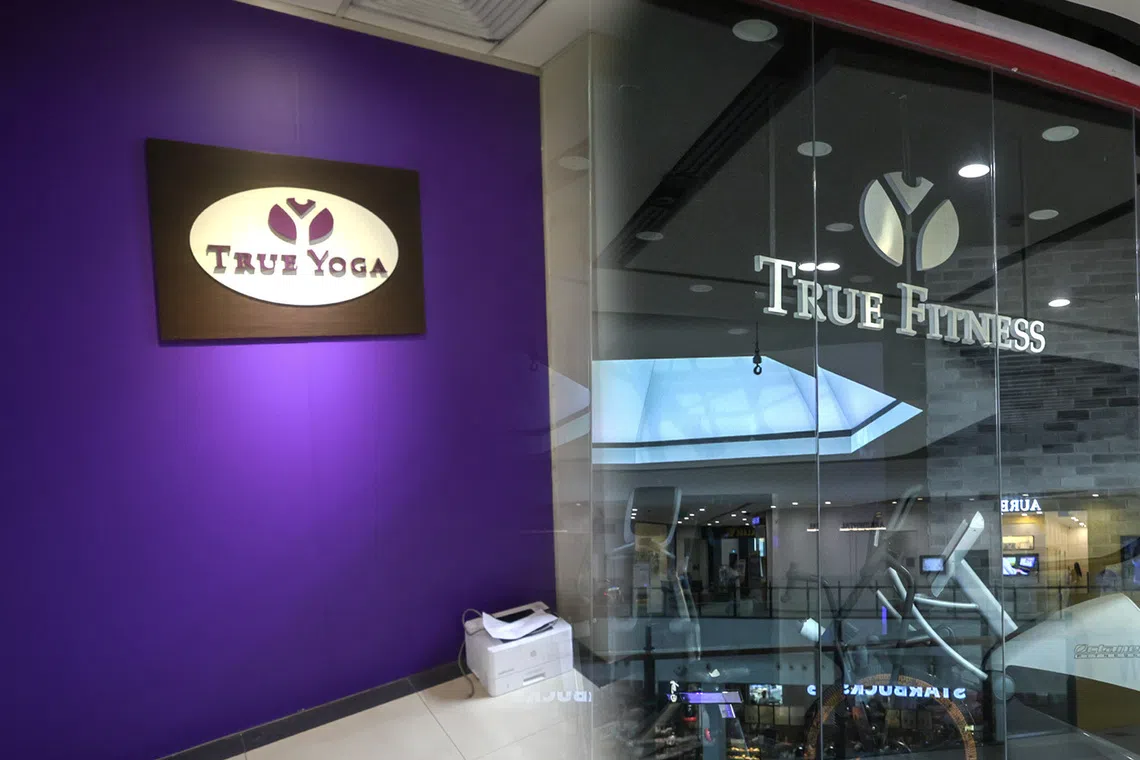
The sudden closure of True Fitness outlets has left thousands of members unable to access facilities they had already paid for, prompting regulators and consumer advocates to examine whether stronger safeguards are needed for prepaid packages in the wellness industry.
Prepayment models are widespread across multiple sectors, but the fitness and spa industries in particular rely heavily on upfront customer payments for memberships and service packages. When businesses abruptly cease operations, as happened with True Fitness, consumers often have little recourse to recover their funds.
Regional consumer groups estimate that customers have collectively lost millions of dollars through prepaid arrangements that went unfulfilled. The issue extends beyond Singapore, affecting consumers across South and Southeast Asia who have purchased advance memberships at wellness facilities that subsequently closed or filed for insolvency.
Industry observers and consumer protection advocates are calling for regulatory frameworks that would limit the amount businesses can collect upfront or require these funds to be held in escrow or trust accounts. Such measures could protect consumers while allowing businesses to operate their prepayment models.
Authorities in the region are reviewing whether existing consumer protection laws adequately address the risks posed by large prepaid commitments in the fitness and spa sectors, with potential policy changes expected in coming months.