World · Bangladesh Bureau
Trump administration seeks to eliminate H-1B visa grace period for displaced workers
The incoming US administration is proposing to end the 60-day grace period that allows H-1B visa holders to remain in the country after losing their jobs. The move could significantly impact skilled workers from South Asia, including Bangladesh, who rely on the visa programme.
LSN Bangladesh ·
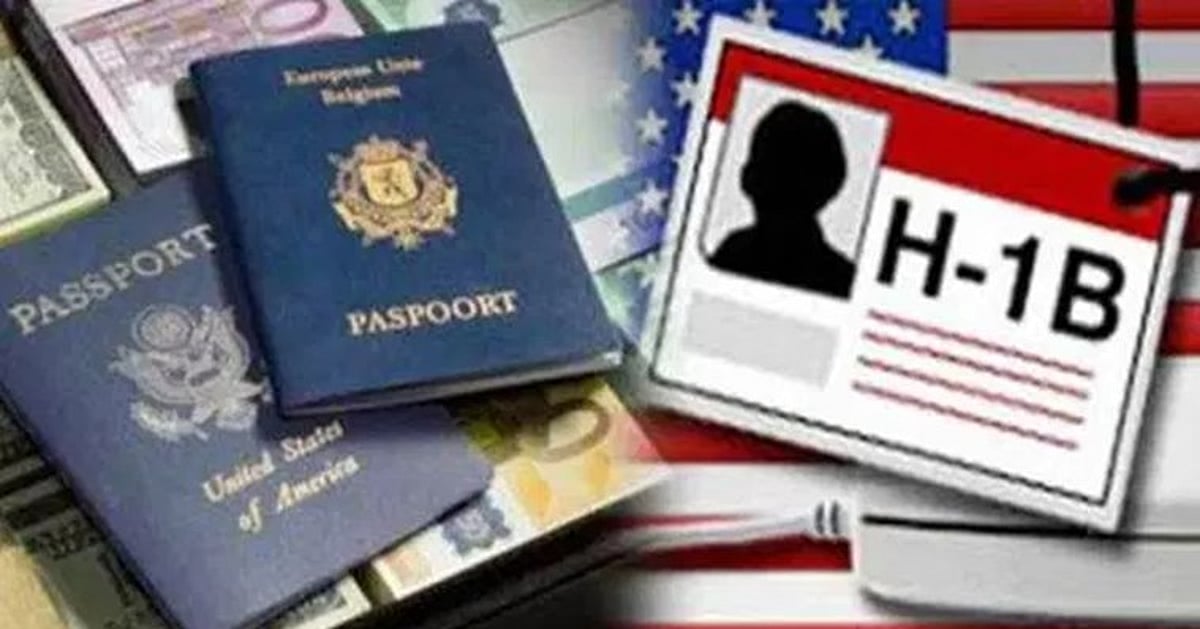
The Trump administration has unveiled a proposal to eliminate the 60-day grace period currently granted to H-1B visa holders who lose employment, according to policy documents circulating in Washington. The grace period, which has been in place for years, allows foreign workers on the temporary visa programme to remain in the United States and seek new employment or make arrangements to depart.
Under current regulations, H-1B visa holders are permitted to stay in the US for 60 days after job termination before they must either secure new employment sponsorship or leave the country. The proposed change would remove this buffer period, requiring workers to immediately depart or find new employers willing to sponsor their visas.
The proposal forms part of the administration's broader effort to tighten immigration policies and prioritise what it characterises as protecting American workers. The H-1B programme, which allows US companies to employ foreign professionals in specialty occupations, has long been a subject of political debate in America, with critics arguing it displaces domestic workers and advocates contending it addresses skill shortages.
Bangladeshi professionals working in the United States could be particularly affected by the proposed change, as many skilled workers from South Asia utilise the H-1B visa pathway. The elimination of the grace period would place immediate pressure on displaced workers to secure alternative sponsorship or face forced departure.
The proposal has not yet been formally enacted into policy. Industry representatives and immigration advocates are expected to weigh in during any official comment period, with tech and healthcare sectors likely to voice concerns about potential workforce disruptions.