World · India Bureau
Trump administration shifts stance on national interest priorities
The incoming U.S. administration is reassessing its approach to international agreements and trade policies, prioritizing domestic interests in ways that mirror positions previously criticized. The shift signals potential changes to how America engages with multilateral frameworks.
LSN India ·
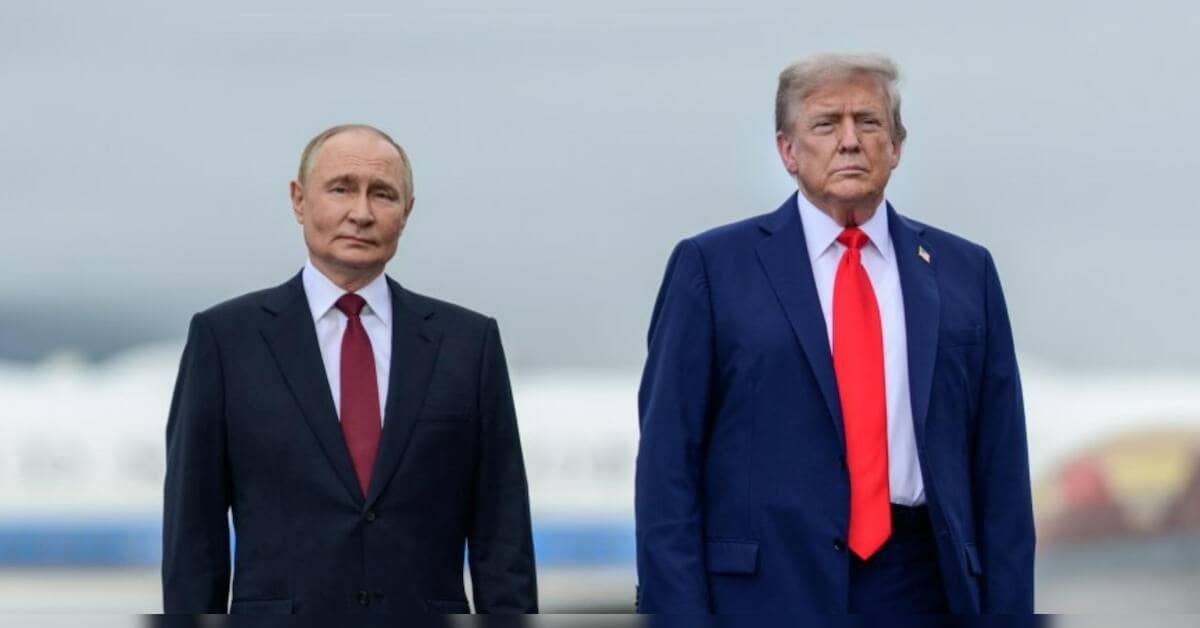
The Trump administration's emerging policy direction reflects a renewed emphasis on national interest as the primary lens for evaluating international commitments and trade relationships. This approach represents a departure from recent years' diplomatic positioning and suggests the administration may pursue selective engagement with global agreements based on perceived domestic benefit.
The pivot has implications for India and other South and Southeast Asian nations that rely on predictable U.S. engagement through trade agreements, security partnerships, and multilateral forums. Countries in the region have adjusted their own strategies based on assumptions about American commitment to existing frameworks, making the policy recalibration significant for regional dynamics.
Previously, positions emphasizing unilateral national interest were often portrayed as departures from established norms. The current framing suggests these considerations may become central to decision-making on issues ranging from trade tariffs to defense partnerships and technology agreements.
For nations across Asia, the shift underscores the importance of diversifying diplomatic and economic relationships while remaining prepared for evolving U.S. priorities. The administration's emphasis on reassessing the value of existing arrangements could influence everything from supply chain partnerships to defense cooperation in the Indo-Pacific region.
How this doctrine plays out in specific bilateral and multilateral contexts remains to be seen, with particular attention on trade negotiations and regional security commitments.