Business · World News Bureau
Trump Administration Shows Divisions Over Iran Policy Direction
The incoming US administration appears divided between military pressure and diplomatic engagement on Iran, with senior officials advocating competing approaches to constraining Tehran's regional influence.
LSN World News ·
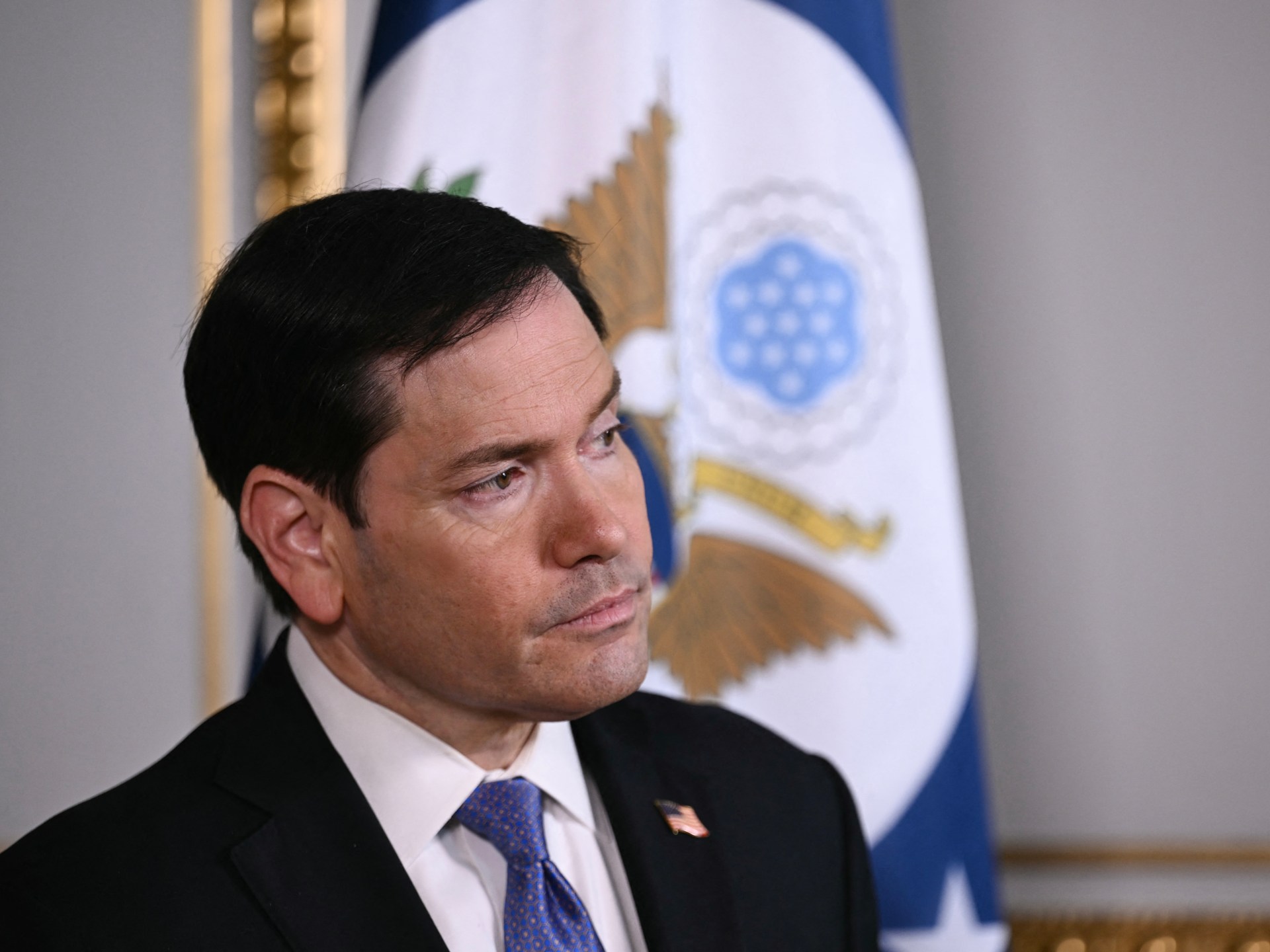
US President-elect Donald Trump's foreign policy team is displaying contrasting views on how to handle Iran, with Secretary of State designate Marco Rubio favoring intensified economic measures including potential blockades, while Vice President-elect JD Vance has signaled openness to negotiated settlements.
The divergence reflects fundamental disagreements within the incoming administration about whether to pursue confrontational policies or explore diplomatic channels with Tehran. Rubio's position emphasizes sustained economic pressure through enhanced sanctions and maritime restrictions, while Vance has suggested that dialogue could address US concerns about Iran's nuclear programme and regional activities.
These competing visions suggest the Trump administration may opt for a middle path involving prolonged economic coercion rather than immediate military action. Such an approach would maintain pressure on Iran while keeping diplomatic options available, though it remains unclear which faction will ultimately shape policy direction.
The debate underscores broader uncertainty in US foreign policy circles about the most effective strategy for limiting Iranian influence in the Middle East. Regional analysts are closely watching which approach the administration ultimately prioritises, as Iran policy carries significant implications for Middle Eastern stability and global energy markets.