World · World News Bureau
Trump charts legislative path with veto power, executive orders, deal-making
As Donald Trump prepares his return to office, political analysts say the incoming president will rely on three primary mechanisms to shape policy outcomes: blocking congressional legislation through vetoes, circumventing lawmakers via executive orders, or negotiating compromises with Democrats who control or significantly influence legislative bodies.
LSN World News ·
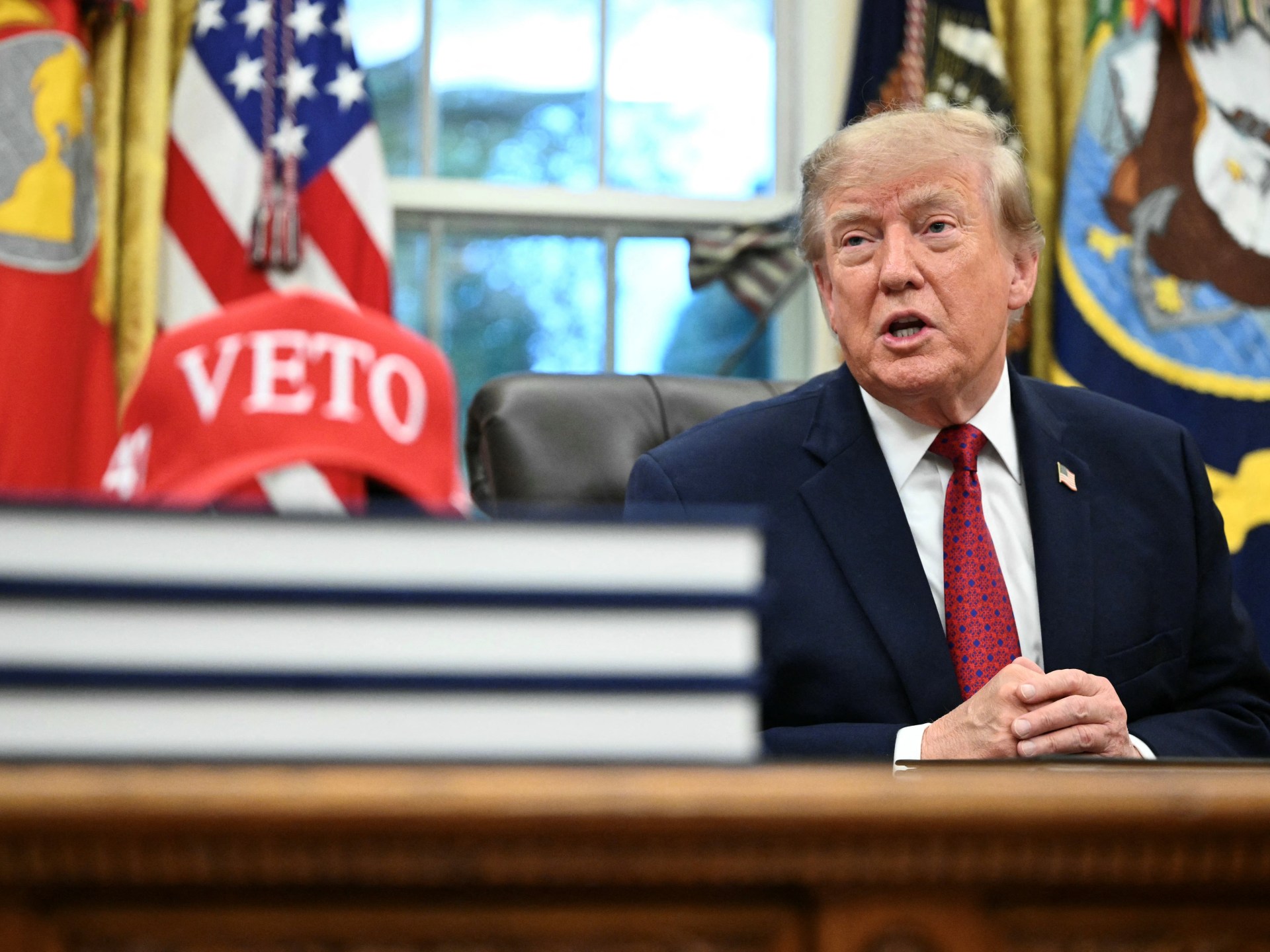
Trump's approach to governing will likely hinge on the political composition of Congress and his willingness to engage across party lines, according to policy experts weighing the incoming administration's options. With Democrats potentially holding leverage in legislative negotiations, the president-elect faces a choice between confrontation and compromise on key policy priorities.
The veto remains Trump's most direct tool for blocking legislation, particularly if Democrats advance measures inconsistent with his agenda. This unilateral power requires no congressional approval and has historically served as a check on opposition-controlled legislatures. However, analysts note that sustained use of the veto may limit Trump's ability to advance his own legislative initiatives.
Executive orders represent an alternative pathway, allowing the president to implement policy without formal congressional approval. This mechanism has expanded significantly in recent administrations, enabling presidents to direct federal agencies and reshape regulatory frameworks. Yet executive orders face legal scrutiny and can be reversed by successor administrations or challenged in court.
The third option—negotiated deals with Democratic lawmakers—could prove most consequential for substantive policy achievement. Bipartisan agreements, though requiring compromise, carry greater durability and legitimacy. Analysts suggest such deals may prove necessary on infrastructure, fiscal matters, and other areas where unified support strengthens implementation and public acceptance.