Politics · India Bureau
Trump prioritizes AI deregulation over security concerns amid China race
The US administration is backing minimal regulation of artificial intelligence development, arguing that strict rules could hand strategic advantage to China. However, security experts warn the approach may expose critical infrastructure and national defence systems to unforeseen risks.
LSN India ·
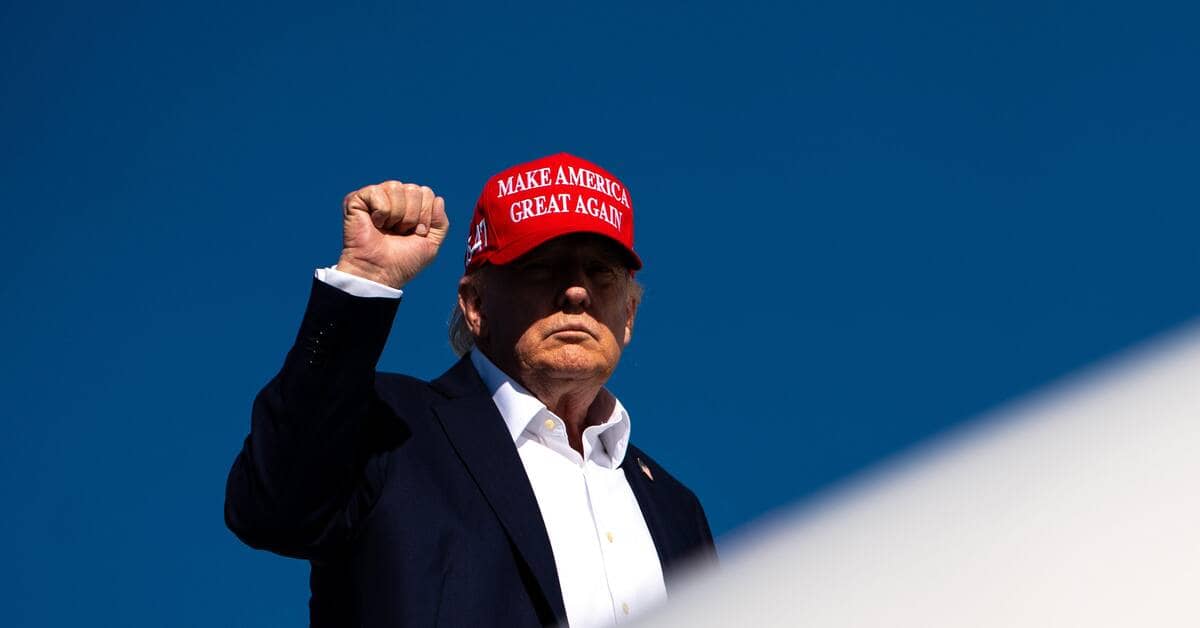
The Trump administration has consistently argued that stringent AI regulations pose a threat to US national interests, contending that regulatory frameworks would slow American technological progress and allow Beijing to gain competitive advantage in the rapidly evolving sector.
Official statements have emphasised that maintaining pace with China's AI capabilities takes precedence over implementing safeguards that could potentially impede innovation. The position reflects a broader strategic calculation that technological dominance is essential to maintaining US leadership in global affairs.
However, the deregulatory approach has sparked concern among national security analysts and cybersecurity experts. Officials from defence and intelligence agencies have warned that insufficient oversight of AI development could create vulnerabilities in critical infrastructure, military systems, and data security frameworks that adversaries might exploit.
The tension between fostering innovation and managing security risks presents a complex policy challenge. Previous instances of technology-driven development have sometimes resulted in unforeseen consequences that proved costly to rectify, particularly when security considerations were deprioritised in favour of speed-to-market advantages.
The debate reflects deeper concerns about maintaining technological competitiveness while safeguarding national security interests. Policymakers continue to weigh whether the competitive benefits of rapid, unfettered AI development justify potential risks to institutional and infrastructure security.