Business · World News Bureau
Trump Rejects Iran Ceasefire Push, Betting on Sanctions Leverage
The U.S. president has spurned Tehran's overture for a truce, with analysts suggesting he aims to extract maximum concessions through economic pressure. The strategy carries risks of backfiring if diplomatic momentum is lost.
LSN World News ·
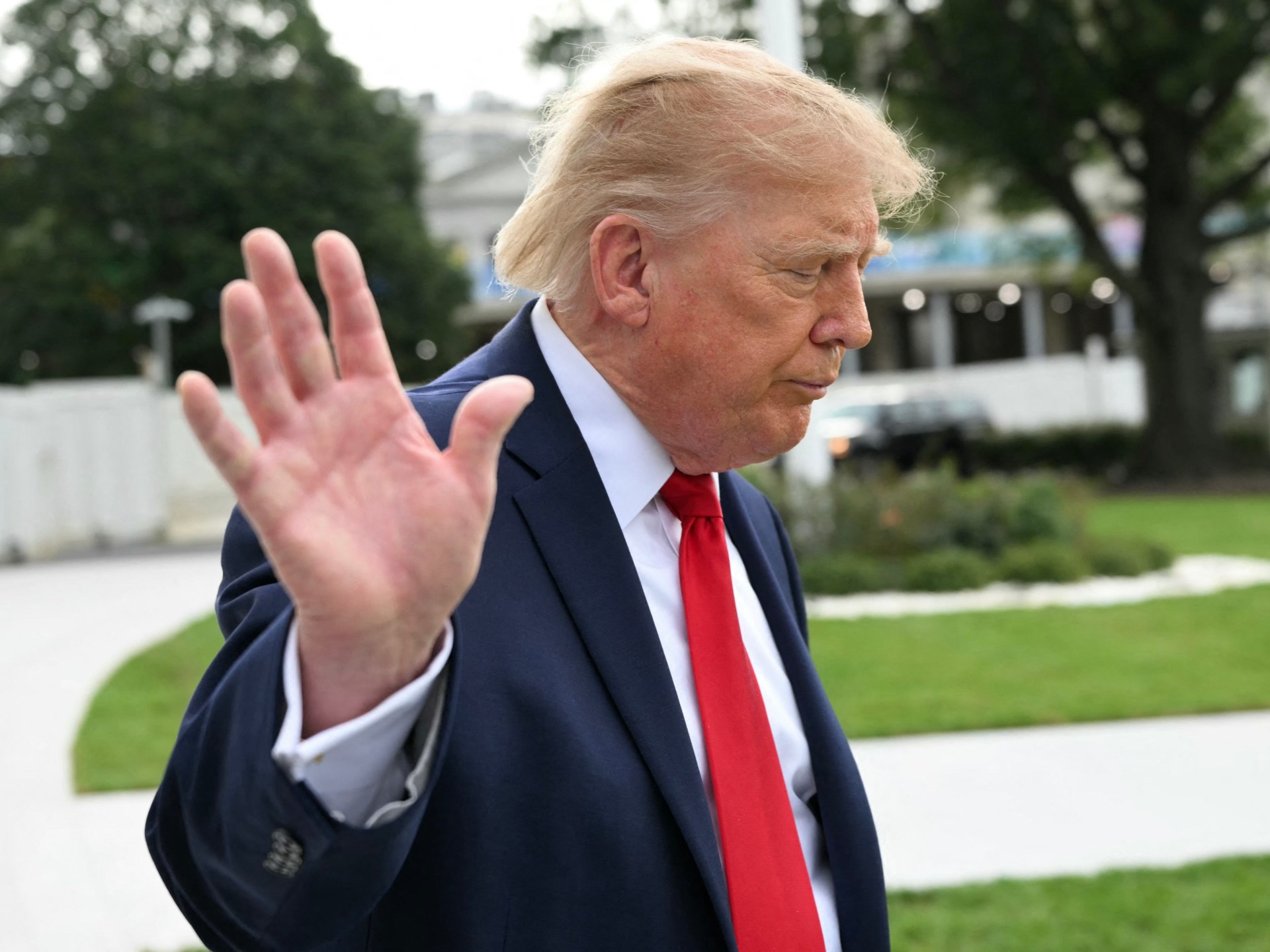
President Trump has declined Iran's recent proposal for a ceasefire arrangement, signaling his preference to maintain economic sanctions as a negotiating tool. Policy analysts suggest the rejection reflects a calculation that sustained pressure will yield more favorable terms in future talks than accepting an immediate de-escalation.
Proponents of this approach argue that comprehensive sanctions regimes have historically proven effective in compelling adversaries to the negotiating table with substantively different positions. By maintaining the current pressure campaign, the administration believes it can expand the scope of concessions on issues ranging from nuclear capabilities to regional proxy activities.
However, experts caution that the strategy carries considerable downside risks. Prolonged economic isolation can entrench hardline positions within targeted governments, while competitors and traditional allies may seek alternative diplomatic pathways or business arrangements that undermine sanctions effectiveness. Historical precedent suggests that windows for breakthrough diplomacy can narrow rapidly if both parties perceive permanent impasse.
Regional analysts note that the rejection occurs amid heightened tensions and competing military postures, factors that increase the likelihood of miscalculation or unintended escalation. The sustainability of the current sanctions regime will depend largely on maintaining international consensus, an objective that grows more difficult as economic strain accumulates.