World · India Bureau
Trump reverses course on US strike against Houthi militants
The incoming US administration authorized preparation for military strikes against Houthi forces following a call with Saudi Arabia's crown prince, only to reverse the decision within 48 hours. The shift underscores competing pressures facing the Trump administration between maintaining Gulf alliance commitments and avoiding broader regional escalation.
LSN India ·
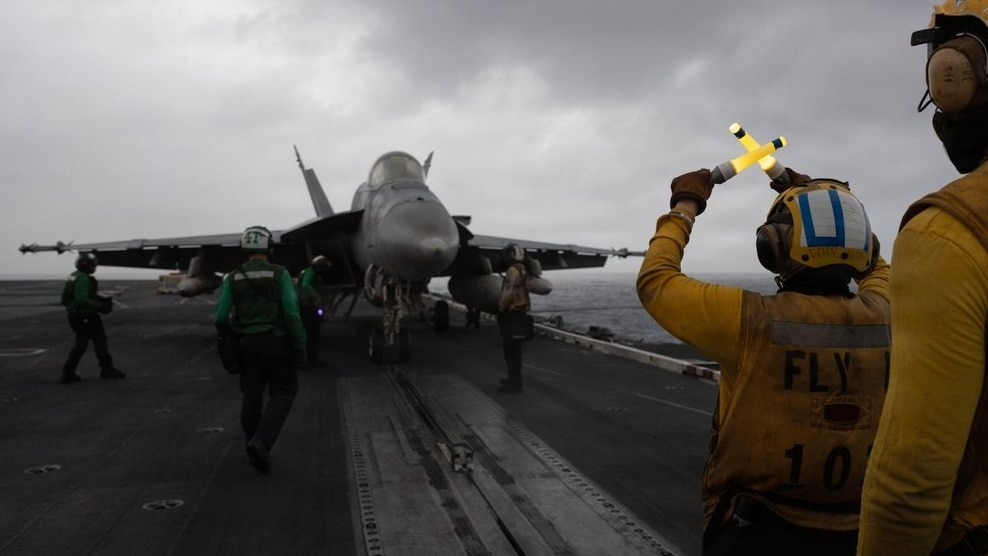
President-elect Donald Trump ordered preparations for direct US military action against Yemen's Houthi militants following a phone conversation with Saudi Crown Prince Mohammed bin Salman, according to reports emerging from policy discussions in Washington. However, the decision was rescinded within two days, marking an abrupt reversal in the administration's approach to the Iranian-backed militant group that has posed challenges to regional stability and international shipping.
The rapid policy shift reflects the complex calculations shaping Trump's approach to Middle Eastern affairs. Saudi Arabia, a longstanding US ally, has faced repeated attacks from Houthis and maintains strategic importance for American interests in the Gulf region. Simultaneously, direct US military escalation risks triggering broader conflict with Iran, which supports the militant group, a scenario the administration appears keen to avoid.
The Houthis have intensified attacks on commercial vessels in the Red Sea and launched drone strikes against regional targets, drawing international concern. Trump's initial authorization suggested a harder line compared to the current administration's measured responses. However, broader strategic considerations—including the need to manage relations with both Saudi Arabia and Iran as the administration takes office—appear to have prompted the recalibration.
The episode highlights the tensions inherent in Trump's stated goal of reducing US military commitments abroad while simultaneously strengthening relationships with key regional partners. Officials have indicated that diplomatic and military options remain under review as the administration develops its comprehensive Middle East strategy.