Politics · World News Bureau
Trump's $5,000 midterm pledge raises legal questions
Former US President Donald Trump has promised American voters $5,000 each if Republicans secure victory in the midterm elections, sparking debate over the legality of such campaign pledges. Constitutional experts question whether such direct financial incentives to voters may violate election law.
LSN World News ·
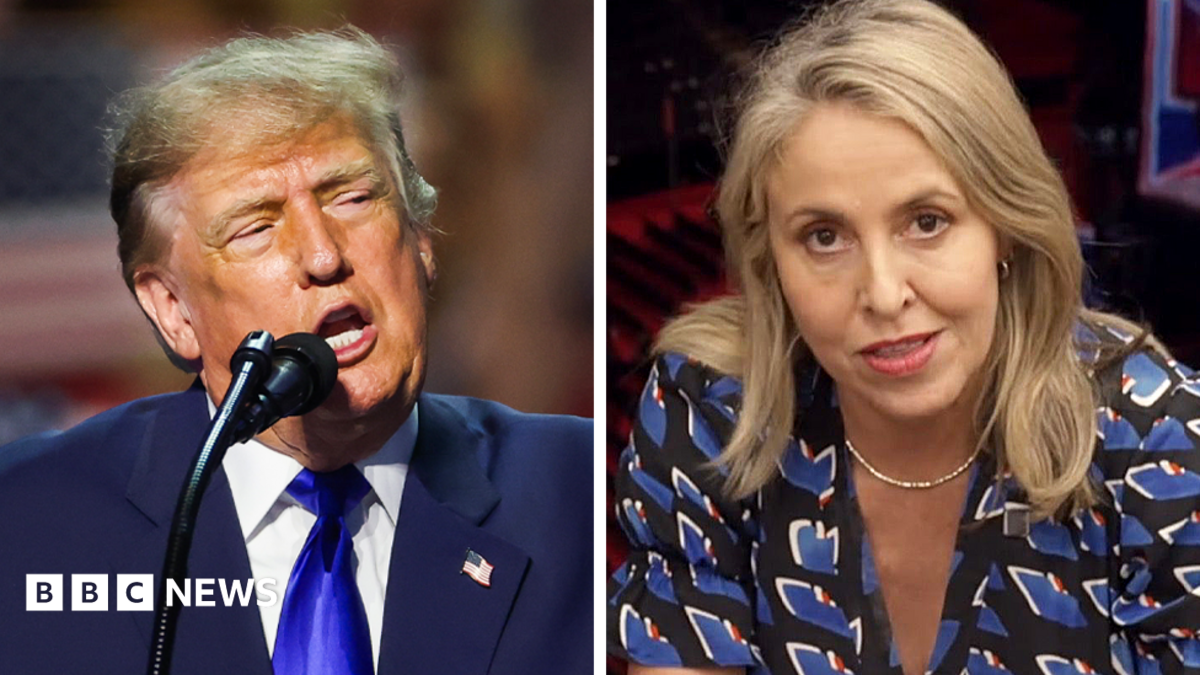
Trump's announcement that every American would receive $5,000 in the event of a Republican midterm victory has drawn scrutiny from legal analysts regarding potential violations of federal election statutes. The pledge, made as part of the party's campaign messaging, represents an unconventional electoral strategy that blurs the line between campaign promises and voter incentives.
Under US federal law, offering or providing anything of value to voters in exchange for their support is prohibited. Election law experts have flagged concerns that direct monetary pledges contingent on electoral outcomes could constitute illegal inducements to vote, though the practical mechanics and enforceability of such claims remain contested among legal scholars.
The Republican Party has positioned the pledge as an aspirational campaign promise tied to broader economic policy goals rather than a direct transactional offer to individual voters. Proponents argue such pledges are standard political messaging designed to appeal to economic concerns among the electorate.
The proposal has intensified ongoing debates about the boundaries of permissible campaign speech and whether ambitious policy promises cross into legally prohibited territory. Election law specialists remain divided on whether existing statutes adequately address modern campaign tactics of this nature.