Politics · India Bureau
Trump's approval rating slumps amid economic, geopolitical concerns
Former US President Donald Trump's approval rating has fallen to 32 per cent, approaching career lows as voters express dissatisfaction over cost-of-living issues and international tensions. The decline reflects broader challenges facing the Republican Party following losses in congressional midterm elections.
LSN India ·
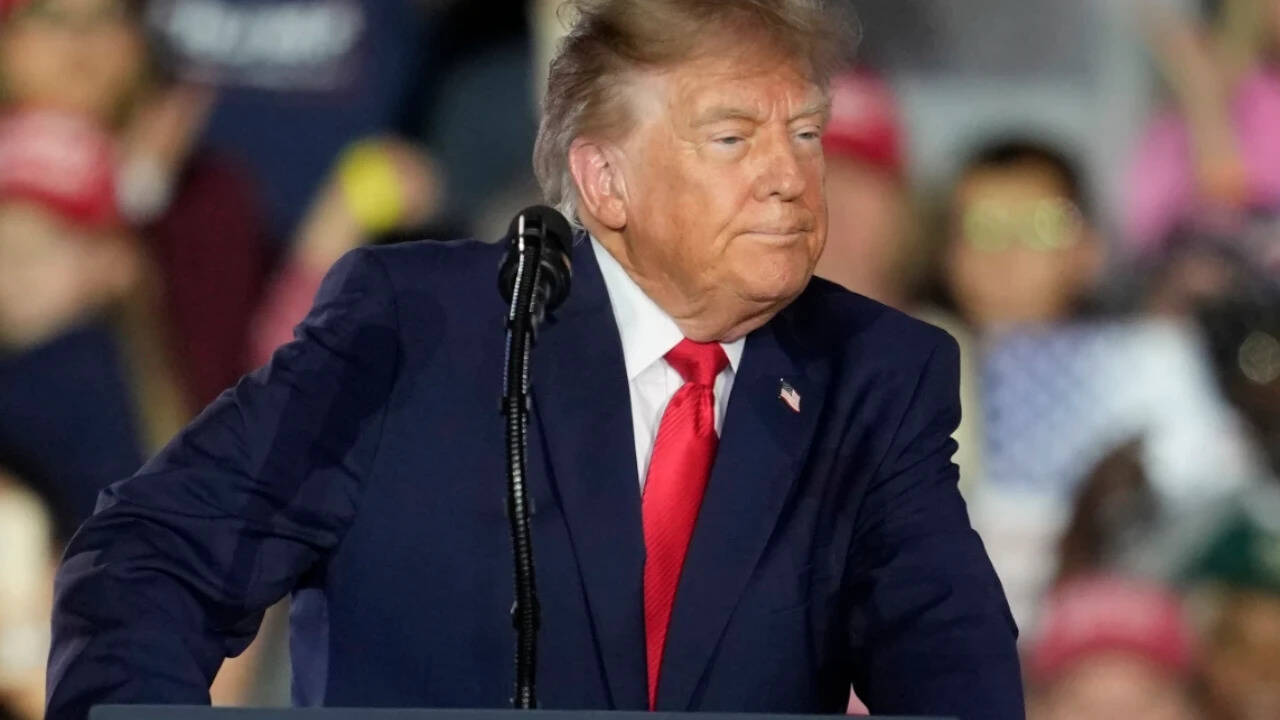
Donald Trump's approval rating has dropped to 32 per cent, marking a significant decline that approaches the lowest levels recorded during his political career, according to recent survey data. The deterioration in public sentiment reflects mounting concerns among American voters, particularly regarding economic conditions and living costs that continue to squeeze household budgets.
Inflation and cost-of-living pressures have emerged as primary factors driving voter dissatisfaction, substantially eroding Trump's standing across multiple demographic segments. The economic headwinds have overshadowed other policy initiatives and contributed to the Republican Party's losses in both the House of Representatives and Senate during recent midterm elections.
In contrast to his struggling approval ratings on economic matters, Trump's immigration policies have generated comparatively stronger support among his core voter base. His administration's emphasis on border security and immigration enforcement has resonated more positively with supporters than his approach to economic policy, which continues to face criticism from voters grappling with financial pressures.
The survey results highlight a widening gap between Trump's standing on specific policy areas, with national security and immigration concerns partially offsetting the damage caused by persistent inflation and cost-of-living anxieties among the electorate. As political dynamics continue to evolve, Trump's ability to address economic concerns may prove critical to rebuilding public confidence.