Politics · World News Bureau
Trump's BRICS Strategy May Backfire, Strengthening Rival Bloc
As the U.S. president pursues policies aimed at undermining the BRICS coalition, analysts suggest his approach could paradoxically accelerate the bloc's expansion and cohesion among member states seeking alternatives to American economic dominance.
LSN World News ·
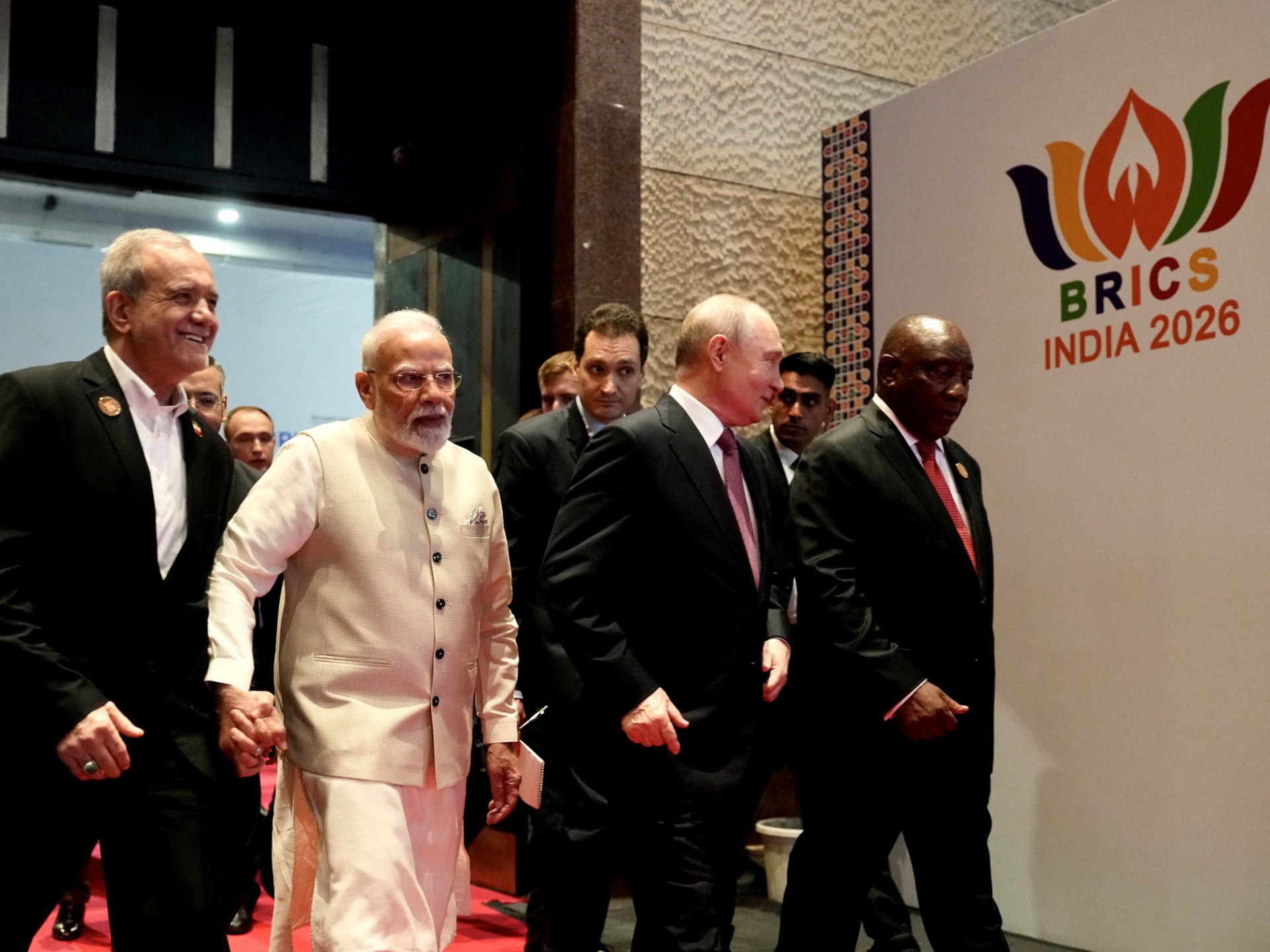
President Trump's stated objective to weaken the BRICS alliance—comprising Brazil, Russia, India, China, and South Africa—may produce the opposite effect, according to observers of international affairs. The president's confrontational trade policies, tariff threats, and rhetoric concerning the group's development bank have intensified interest among developing nations considering membership in the coalition.
The BRICS bloc has positioned itself as a counterweight to Western-dominated financial institutions and trade frameworks. Nations in Africa, Latin America, and Asia have viewed membership as an avenue to reduce dependence on U.S.-led economic structures. Trump's emphasis on restricting U.S. engagement with the group and its institutions has reinforced this perception, making BRICS membership increasingly attractive to countries seeking economic alternatives.
Historically, external pressure on multilateral coalitions often solidifies internal unity and draws additional members seeking security in numbers. Current geopolitical tensions, combined with the administration's transactional approach to international relations, have created conditions favoring BRICS expansion. Several nations have formally applied or expressed serious interest in joining the bloc in recent months.
Analysts note that Trump's strategy underestimates the autonomous interests of BRICS members and aspirant nations. Rather than fragmenting the alliance, efforts to isolate it may strengthen member commitment and accelerate the development of parallel financial and trade mechanisms that reduce reliance on U.S.-denominated systems and institutions.