Business · World News Bureau
Trump's energy policy shift raises concerns over Russia war funding
The former U.S. president's approach to Russian oil and energy has drawn criticism from analysts who contend it could bolster Moscow's finances amid its ongoing conflict. The policy stance comes as energy markets face diesel shortages and consumers confront rising fuel costs.
LSN World News ·
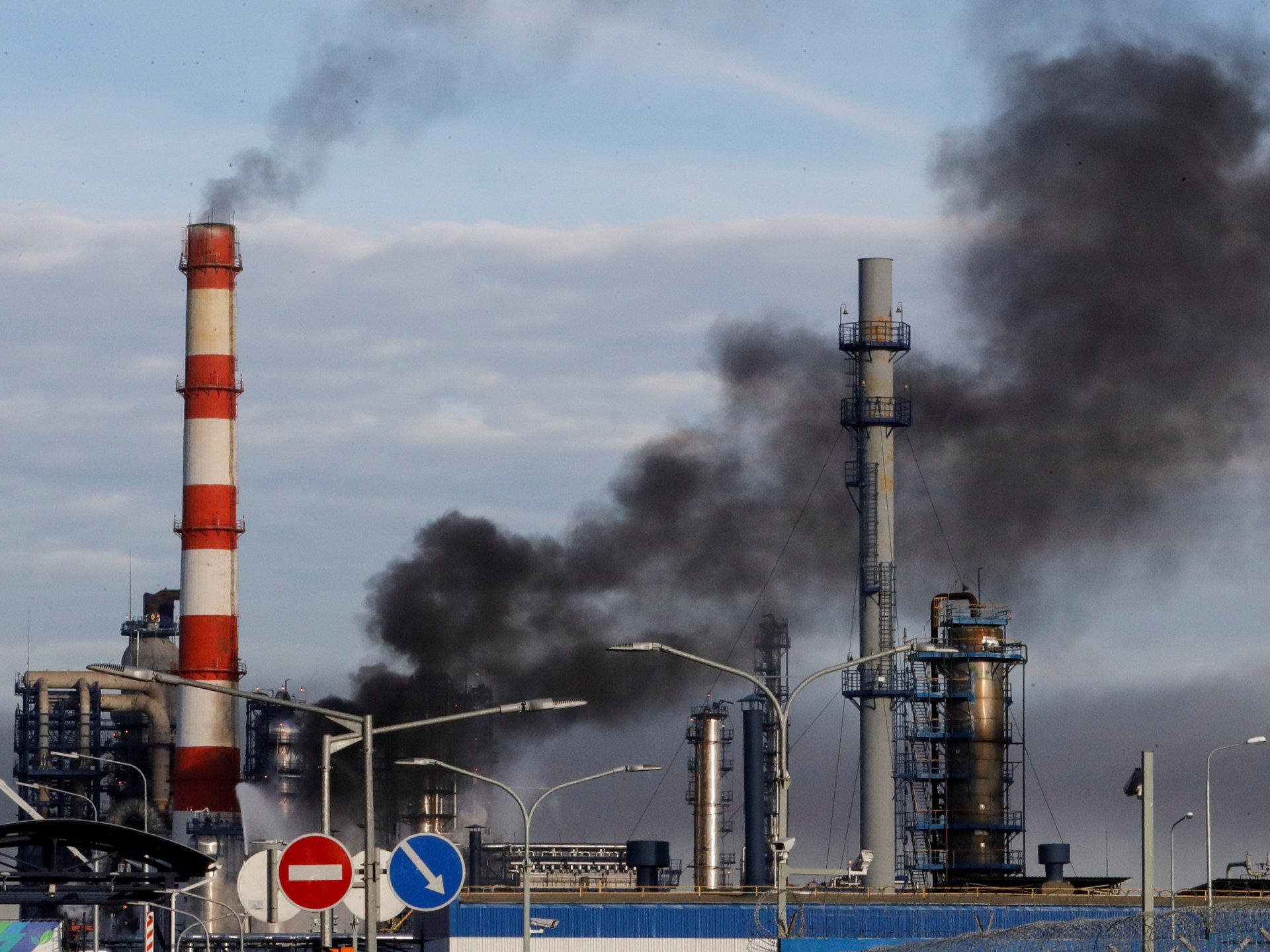
Donald Trump's stance on Russian energy exports has become a focal point of debate among policymakers and analysts concerned about inadvertently supporting Moscow's military operations in Ukraine. Critics argue that a more permissive approach to Russian oil and gas could generate crucial revenue for the Kremlin while global energy markets already grapple with supply constraints and price volatility.
The former president has historically maintained a complex relationship with energy policy, balancing domestic production interests with geopolitical considerations. His recent rhetoric suggesting a relaxation of energy-related sanctions has rekindled concerns among Western officials who view energy restrictions as a key leverage point against Russian aggression.
Energy markets across South and Southeast Asia have felt ripple effects from global oil price fluctuations, with diesel shortages affecting transportation and manufacturing sectors. Rising consumer fuel costs in the region have compounded economic pressures on households already dealing with inflation.
Policy experts argue that any significant shift in Western energy restrictions could have cascading consequences for global markets and regional economies. The debate underscores the delicate balance between energy security, geopolitical strategy, and economic stability in an increasingly interdependent world.