Politics · World News Bureau
Trump's Iran Strategy Clouds as Mixed Signals Emerge Post-Election
The US president has offered conflicting messages regarding potential military action against Iran's nuclear infrastructure following his party's midterm electoral setback. Iran has characterized recent US communications as part of a broader psychological campaign.
LSN World News ·
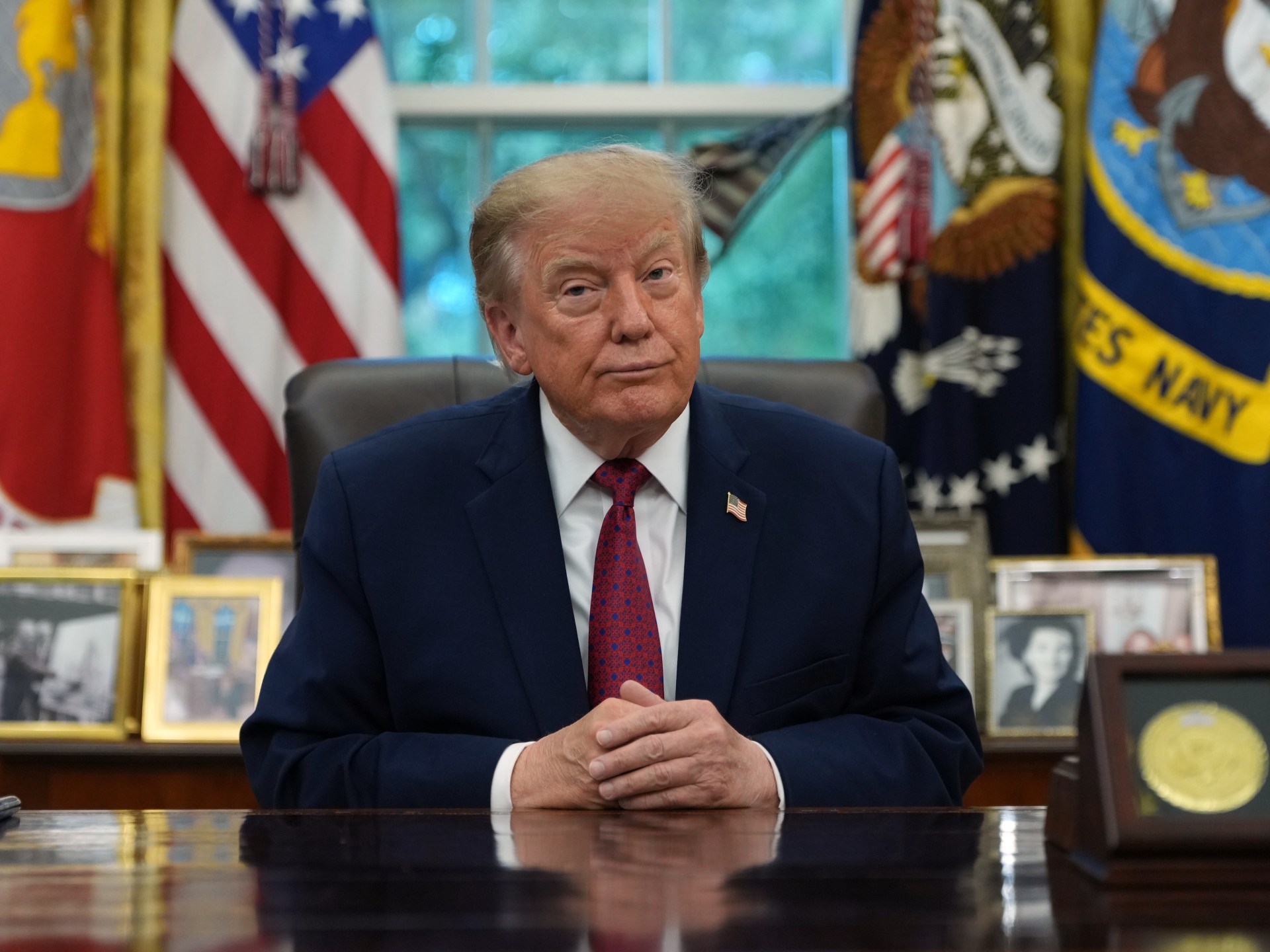
The Trump administration's stance on Iran's nuclear program has grown increasingly ambiguous in recent weeks, with senior officials delivering contradictory statements about the likelihood of military intervention against Tehran's atomic facilities. The uncertainty comes as the president navigates political headwinds following his party's disappointing performance in midterm elections, a result that has reshaped the dynamics of his foreign policy calculus.
While some administration officials have suggested that military options remain on the table, others have emphasized diplomatic channels and economic pressure as preferred mechanisms for constraining Iran's nuclear ambitions. This rhetorical tension has created confusion about the administration's actual strategic intentions, leaving regional allies and international observers uncertain about the direction of US policy.
Iran has responded to what it characterizes as inconsistent American messaging by describing recent US communications as part of a coordinated "cognitive warfare" campaign designed to sow confusion and psychological pressure. Iranian officials have suggested that the strategic ambiguity represents an attempt to destabilize the region without committing to concrete military action.
Analysts suggest the mixed signals reflect internal divisions within the administration regarding the appropriate balance between deterrence and diplomatic engagement. The post-election political environment has complicated the formulation of a coherent Iran policy, as the president weighs competing domestic and international considerations.