World · India Bureau
Trump's Iran Strategy Under Scrutiny as Regional Tensions Persist
The effectiveness of the Trump administration's approach toward Iran remains contested as geopolitical tensions continue across the Middle East. Analysts debate whether the strategy has achieved its objectives or created new vulnerabilities.
LSN India ·
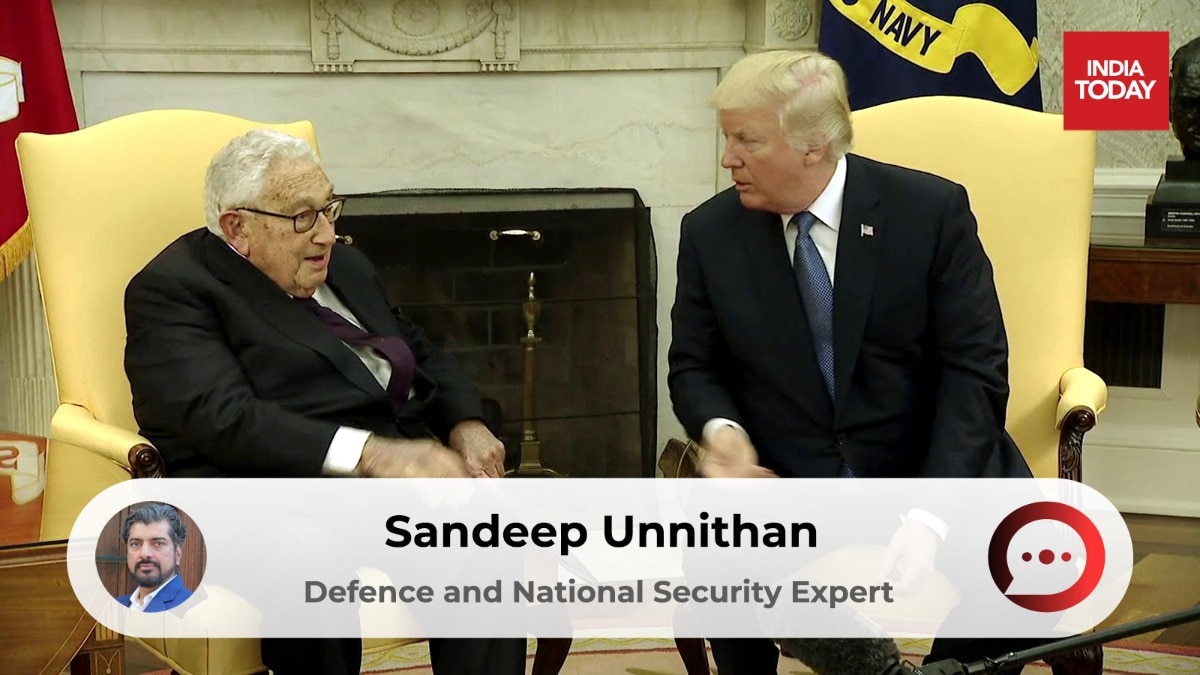
The Trump administration's Iran policy, centered on maximum pressure through sanctions and military posturing, faces growing questions about its strategic success. Proponents argue the approach has constrained Tehran's regional activities and forced negotiations, while critics contend it has strengthened Iran's resolve and pushed it closer to adversarial powers.
The administration withdrew from the Joint Comprehensive Plan of Action in 2018 and imposed sweeping economic sanctions aimed at crippling Iran's economy and forcing behavioral change. However, Iran has responded by accelerating its nuclear program, strengthening ties with Russia and China, and maintaining support for regional proxy forces despite economic hardship.
Regional analysts point to continued Iranian influence in Iraq, Syria, Lebanon, and Yemen as evidence that the pressure campaign has failed to achieve its stated goals of halting Tehran's destabilizing activities. Meanwhile, Iranian officials have repeatedly rejected calls for renegotiating terms, viewing the sanctions regime as illegitimate.
The debate reflects broader uncertainty about whether military and economic coercion can fundamentally alter Iranian behavior or merely locks both sides into escalatory cycles. For observers in India and South Asia, the outcome of this strategic competition carries implications for regional stability, energy security, and international diplomatic norms.