World · World News Bureau
Trump's Ireland remarks spark debate over transatlantic political messaging
Former US President Donald Trump's recent comments supporting Irish reunification have drawn attention for their potential strategic appeal to Irish-American voters. The remarks have reignited discussion about how US political figures engage with diaspora communities on sensitive geopolitical matters.
LSN World News ·
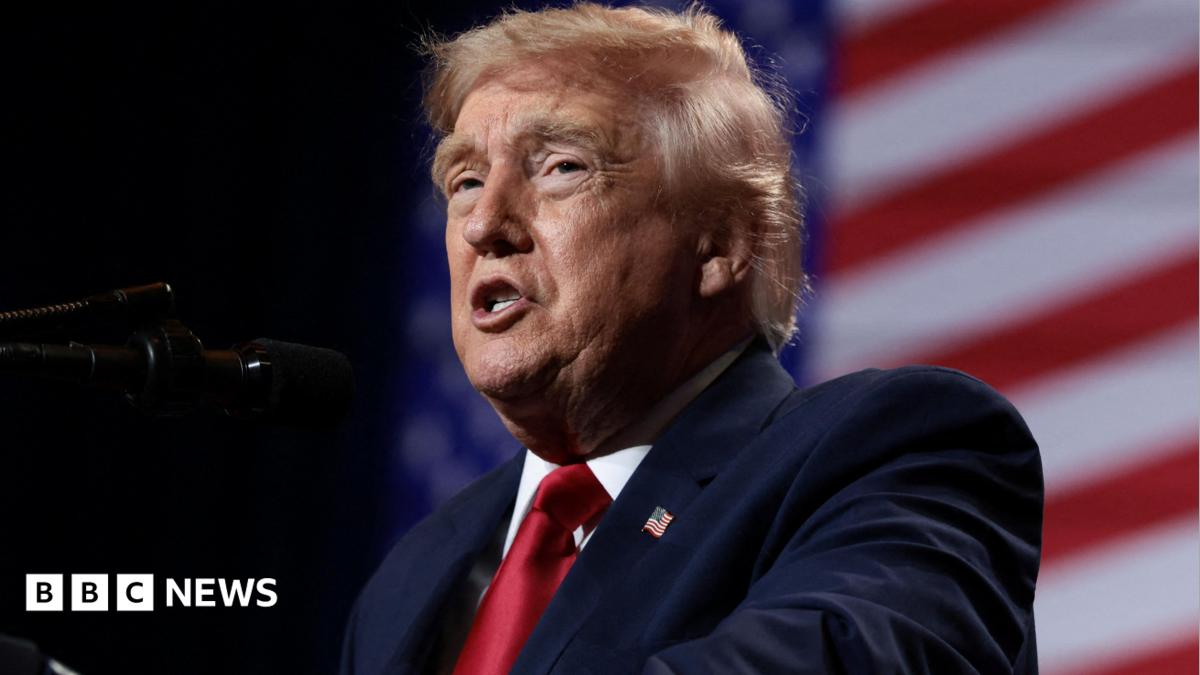
Donald Trump's expression of support for a unified Ireland has emerged as an unexpected focal point in international discourse, with observers noting the timing and framing of his comments appear calculated to resonate with audiences across the Atlantic. The remarks, which break from typical US diplomatic restraint on the sensitive constitutional issue, represent an unusual intervention by a major American political figure in what remains an unresolved partition question.
The statement has prompted analysis among political commentators regarding Trump's deliberate cultivation of Irish-American voters, a significant demographic group in several US electoral battlegrounds. By adopting a position aligned with traditional Irish republican sentiment, Trump appears to be signaling receptiveness to concerns held by this constituency, particularly in states where Irish-American communities remain politically influential.
Diplomatically, the comments underscore how contemporary US politicians increasingly engage directly with diaspora communities on contested international issues. The remarks contrast with longstanding US policy of official neutrality on Irish reunification, a position maintained by successive administrations regardless of their stance on other foreign policy matters.
Irish government officials have not formally responded to Trump's statements, maintaining the diplomatic distance typically observed regarding external commentary on constitutional questions. The remarks nonetheless illustrate how American political figures continue to factor international identity politics into their domestic political strategies.