World · India Bureau
Trump's Manila Summit Signals Shift in US Asia Strategy, Raising Quad Questions
A brief meeting between US President Donald Trump and Philippine leaders in Manila has sparked concerns about Washington's commitment to regional partnerships. The encounter raises questions about the future of the Quad grouping and India's strategic positioning in a changing geopolitical landscape.
LSN India ·
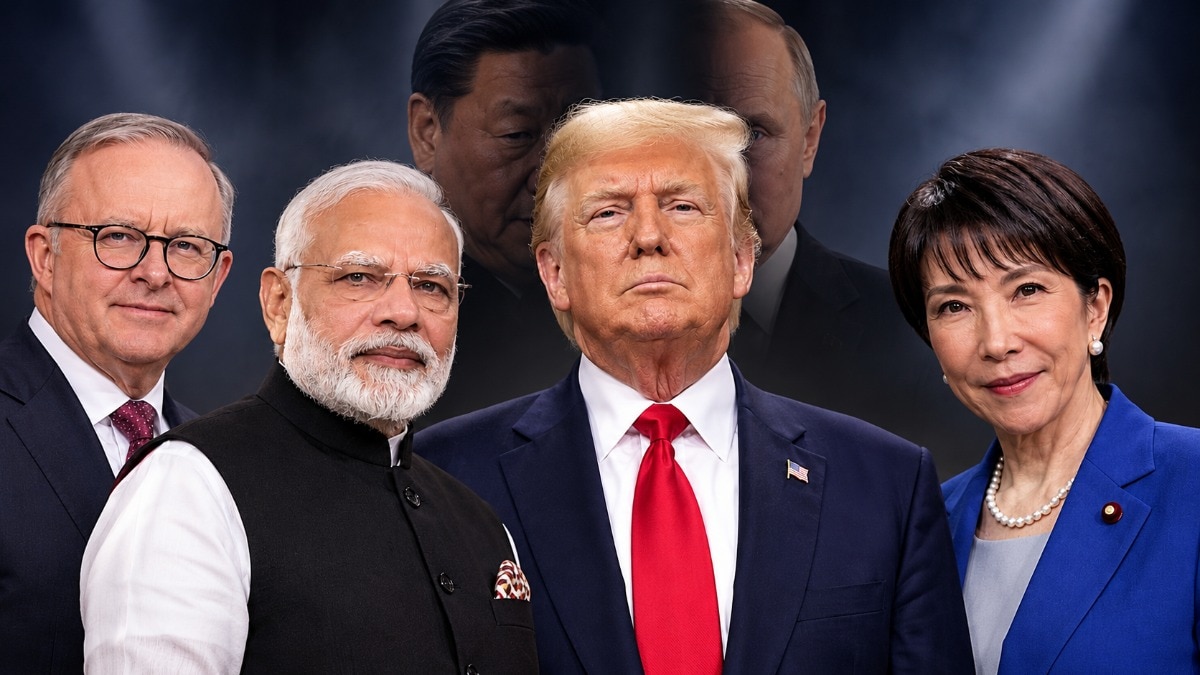
The quick 55-minute meeting between Trump and Philippine officials during his Asia-Pacific visit underscores shifting dynamics in US foreign policy toward the region. The brief nature of the engagement has prompted analysts to reassess Washington's priorities in Southeast Asia and beyond, particularly regarding its China-Russia approach.
The Trump administration's perceived tilting toward addressing US-China tensions and its Russia-related calculations have implications for India and the Quad partnership. The four-nation grouping, comprising India, Japan, Australia, and the United States, has been a cornerstone of Indo-Pacific stability efforts and a counterweight to Chinese regional expansion.
Indian officials and analysts have been monitoring shifts in US strategy carefully. The Trump administration's approach to balancing relations with major powers could either strengthen or complicate India's own foreign policy objectives, particularly regarding its non-aligned stance and strategic autonomy in dealing with both Beijing and Washington.
The brevity of the Manila engagement reflects broader questions about how the Trump administration will prioritize its numerous regional commitments. For India, maintaining the Quad's effectiveness while navigating US policy fluctuations remains a critical concern as geopolitical competition in Asia intensifies.