Politics · Singapore Bureau
Trump's midterm setback unlikely to ease US trade pressure on SE Asia
Despite Republican losses in US midterm elections, Southeast Asian exporters face continued uncertainty over Washington's trade stance toward the region. Regional policymakers are watching closely to see whether the political shift might prompt a softening of American tariff policies.
LSN Singapore ·
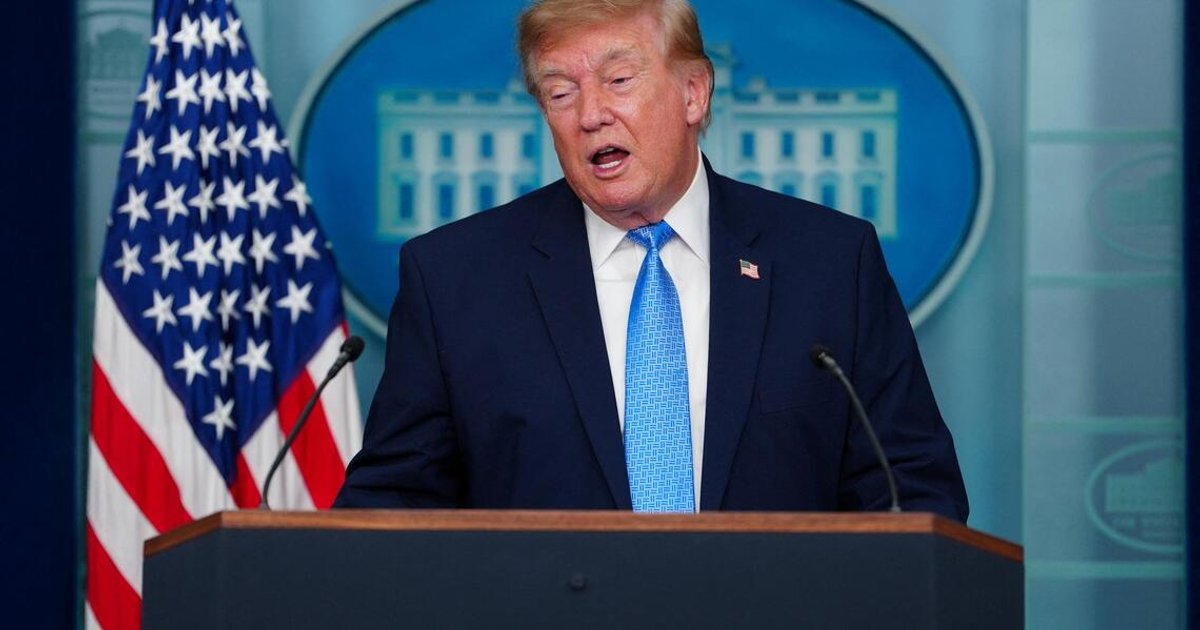
The midterm election results in the United States have done little to ease concerns among Southeast Asian trade-dependent economies about the trajectory of US commercial policy. While President Trump's party faced setbacks at the ballot box, analysts warn that shifts in Washington's approach to regional trade remain unpredictable and could continue to weigh on export-oriented businesses across the region.
Southeast Asian governments and businesses have grown increasingly anxious about potential tariff escalations and trade restrictions emanating from Washington. The region's manufacturers, many of whom are integrated into global supply chains, face heightened uncertainty as they plan for 2024 and beyond. Key questions remain about whether any political realignment in the United States might prompt a recalibration of trade policies that have created headwinds for regional exporters.
Economists note that while midterm elections often signal shifts in political momentum, they do not necessarily translate into immediate changes to trade policy architecture. Southeast Asia's reliance on open market access to the United States—a critical destination for manufactured goods and agricultural products—means that the region remains vulnerable to protectionist measures regardless of electoral outcomes in Washington.
Regional trade officials are adopting a wait-and-see posture, hoping that pragmatic considerations about global supply chains and economic interdependence might eventually influence US policy deliberations. For now, Southeast Asian exporters continue to hedge their bets by diversifying markets and exploring alternative trade arrangements, even as they maintain cautious optimism about potential policy moderation ahead.