World · India Bureau
Trump's Paris demographics claim sparks debate on immigration, identity
US President Donald Trump has alleged that Paris will soon become a Muslim-majority city, citing France's immigration policies. The controversial claim has reignited discussions about migration, religious demographics, and cultural identity in the French capital.
LSN India ·
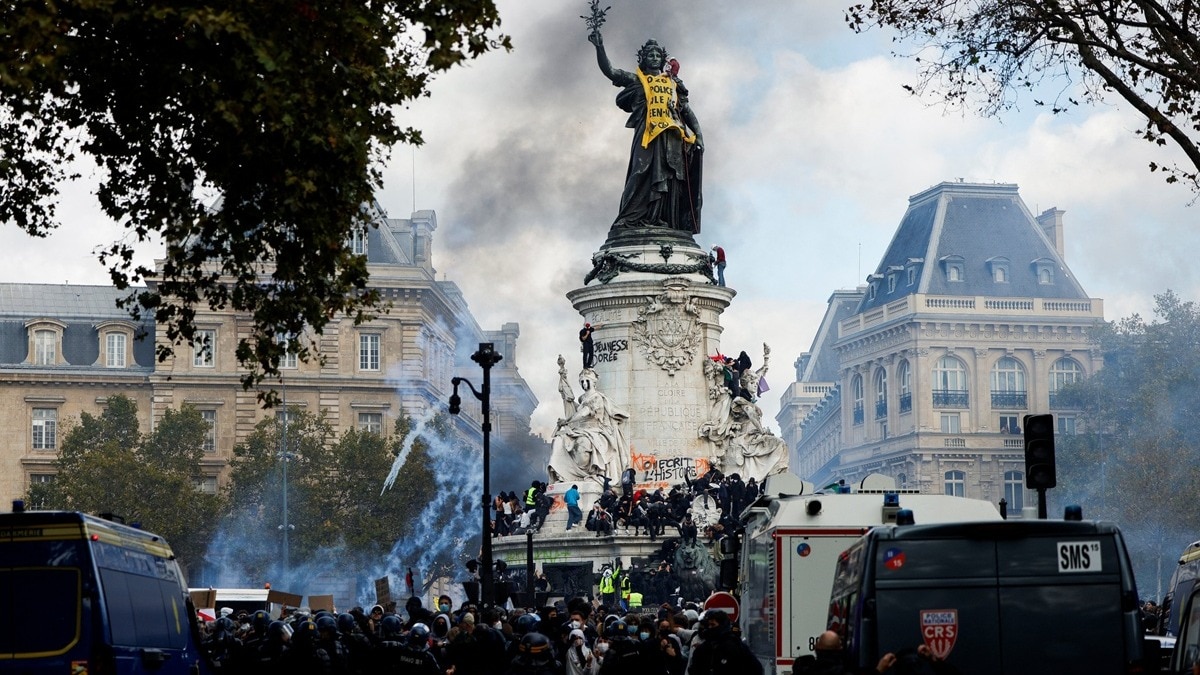
Donald Trump has drawn criticism for asserting that Paris faces imminent demographic transformation due to immigration policies, claiming the city will become predominantly Muslim. The statement has intensified an ongoing debate in France regarding immigration, integration, and national identity—issues that remain politically sensitive across the country.
Trump's remarks target France's approach to managing migration and diversity, framing it as a threat to the nation's cultural character. The claim has prompted scrutiny of demographic data and migration patterns in Paris and its surrounding metropolitan areas, where Muslim populations have grown over recent decades alongside broader European immigration trends.
Demographic experts and analysts have begun examining whether statistical evidence supports Trump's assertion. Paris and its suburbs have indeed experienced demographic shifts, with growing populations from North Africa and other predominantly Muslim regions. However, credible demographic studies indicate that Muslims remain a minority in Paris, though their presence has increased substantially since the 1980s.
The controversy reflects broader tensions across Europe regarding immigration policy, religious diversity, and national integration. France, like other European nations, has grappled with balancing multiculturalism with concerns about social cohesion and cultural continuity. Trump's intervention in this ongoing French debate has amplified polarized rhetoric around immigration and religious demography in European cities.