World · India Bureau
Trump's Russia fuel deal draws allied criticism, unlikely to cut prices
The incoming US administration's decision to pursue a ceasefire and fuel arrangements with Russia has drawn sharp criticism from traditional allies, though analysts question whether the move will deliver promised price relief to voters.
LSN India ·
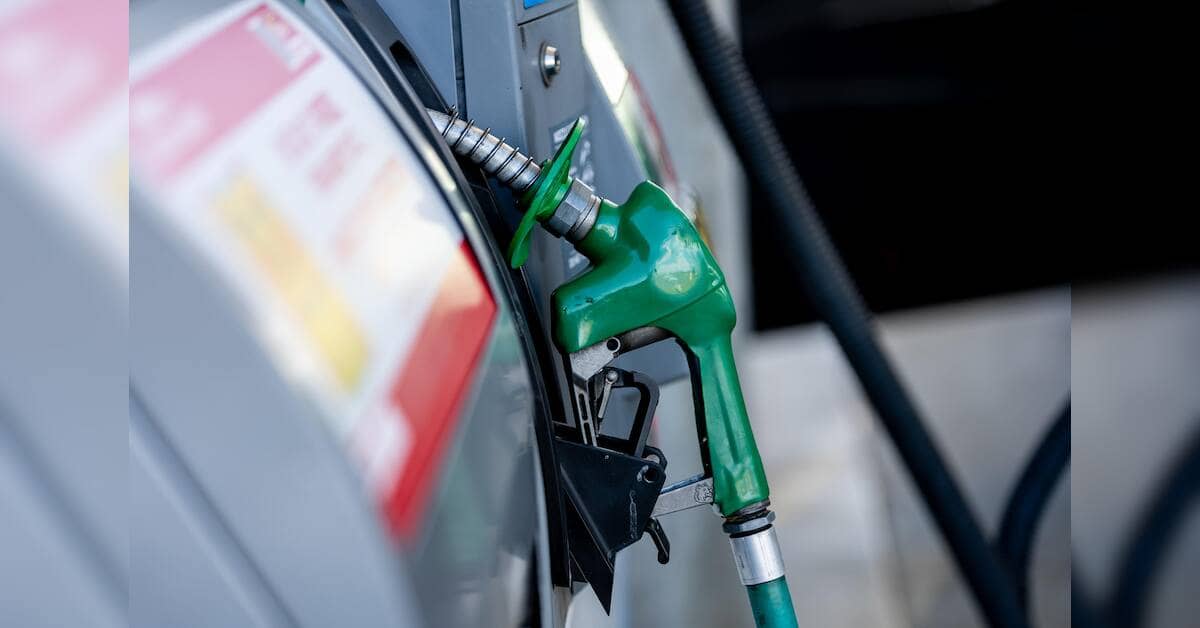
The Trump administration's strategy to lower fuel costs through negotiations with Russia appears designed to boost electoral prospects ahead of upcoming elections, but risks straining relationships with key geopolitical partners already concerned about shifting US foreign policy priorities.
The proposed arrangement, which would increase diesel flows and ease restrictions on Russian energy exports, represents a significant departure from Washington's previous approach to Moscow. Allied nations worry the move signals reduced commitment to existing sanctions regimes and broader strategic positions in Eastern Europe and Asia.
Energy market analysts express skepticism about whether the arrangement will meaningfully reduce fuel prices for American consumers. Global diesel markets are influenced by multiple factors including production capacity, refining limitations, and geopolitical supply disruptions. A Russia-focused approach may have limited impact on broader price trends, particularly given current market dynamics and existing alternative supply chains.
The political calculus behind the decision suggests administration officials believe lower energy costs will resonate with voters, potentially outweighing diplomatic costs. However, the strategy faces headwinds from both traditional allies expressing concern and critics questioning its economic viability.
For India and other regional economies heavily dependent on energy imports, the broader implications remain unclear, though any shift in global energy arrangements could indirectly affect South Asian fuel markets and geopolitical alignments in the region.