Politics · India Bureau
Trump's shifting Iran stance leaves West Asia guessing on conflict's future
US President Donald Trump has sent conflicting signals about military action and negotiations with Iran since midterm elections, leaving regional powers uncertain about Washington's path forward on the eight-month conflict.
LSN India ·
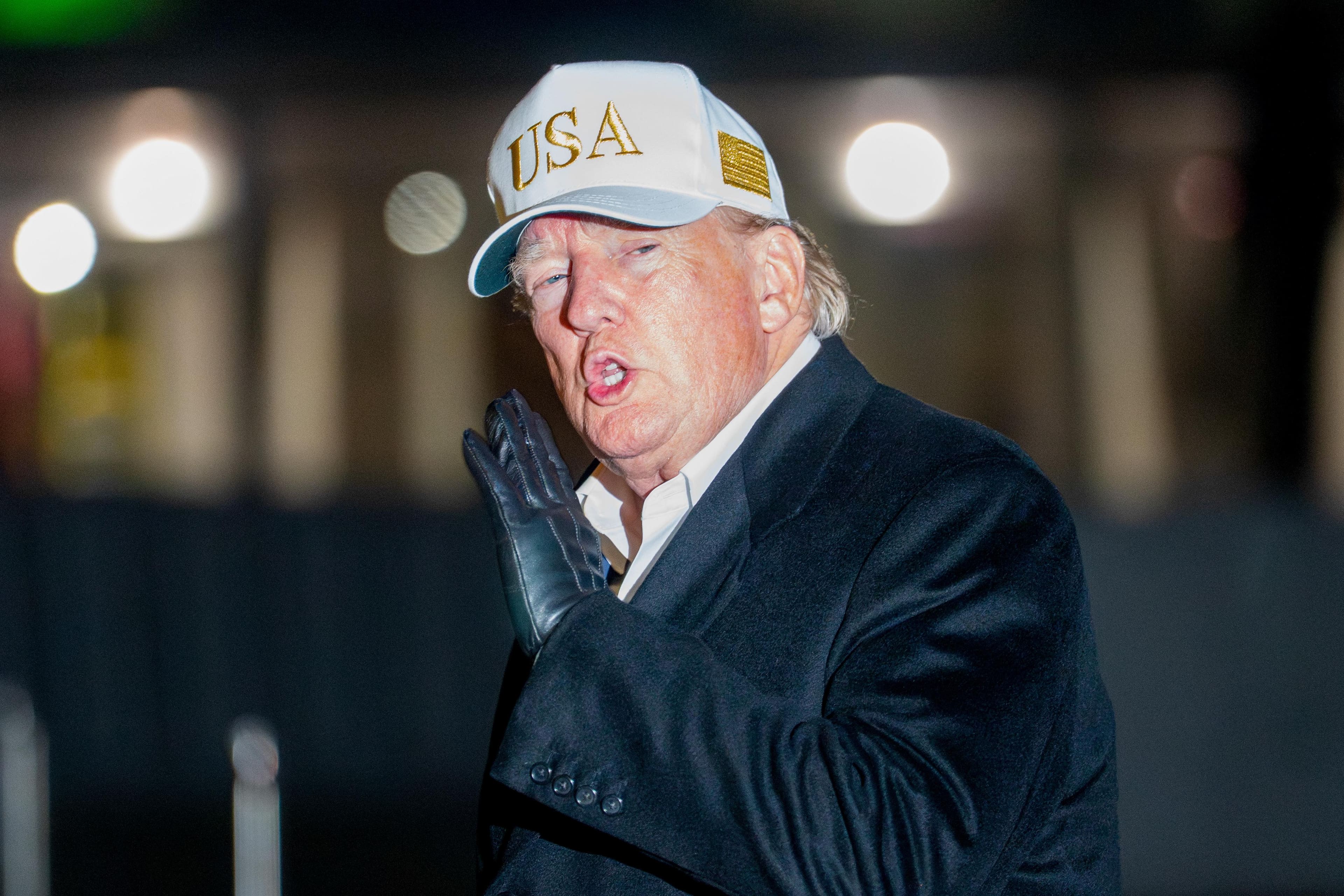
President Donald Trump has offered starkly different assessments of US strategy toward Iran in recent days, creating uncertainty across West Asia about whether military escalation or diplomatic engagement lies ahead.
Following Republican losses in midterm elections, Trump acknowledged that the Iran conflict and resulting global economic disruption contributed to his party's poor performance, though he maintained the military action was justified. In separate statements to reporters, social media posts, and broadcast interviews since Election Day, he has suggested he may not order additional major strikes while simultaneously appearing to rule out fresh negotiations with Iranian officials.
The mixed messaging intensified this week when Trump met Qatar's prime minister at the White House. After their discussions, Trump told reporters he believed major new strikes on Iran were highly unlikely, stating the conflict was "militarily effectively over." By Thursday, however, he had again raised questions about the conflict's trajectory, leaving analysts and regional officials scrambling to interpret actual US policy.
The uncertainty has created significant concern among West Asian nations attempting to navigate their own diplomatic and security strategies. Regional governments have sought clarity on whether Washington intends to pursue further military operations, enter negotiations, or maintain the current military posture, but Trump's contradictory public statements have provided little definitive guidance about the administration's actual course of action.