Politics · India Bureau
Trump's unconventional diplomacy: Alienating allies while courting adversaries
The U.S. administration's confrontational stance toward traditional partners including Oman, Canada, and South Korea, coupled with warmer overtures to adversaries like North Korea, reflects a broader departure from conventional geopolitical alignment. The shift marks a continuation of diplomatic unpredictability that has characterized recent years of American foreign policy.
LSN India ·
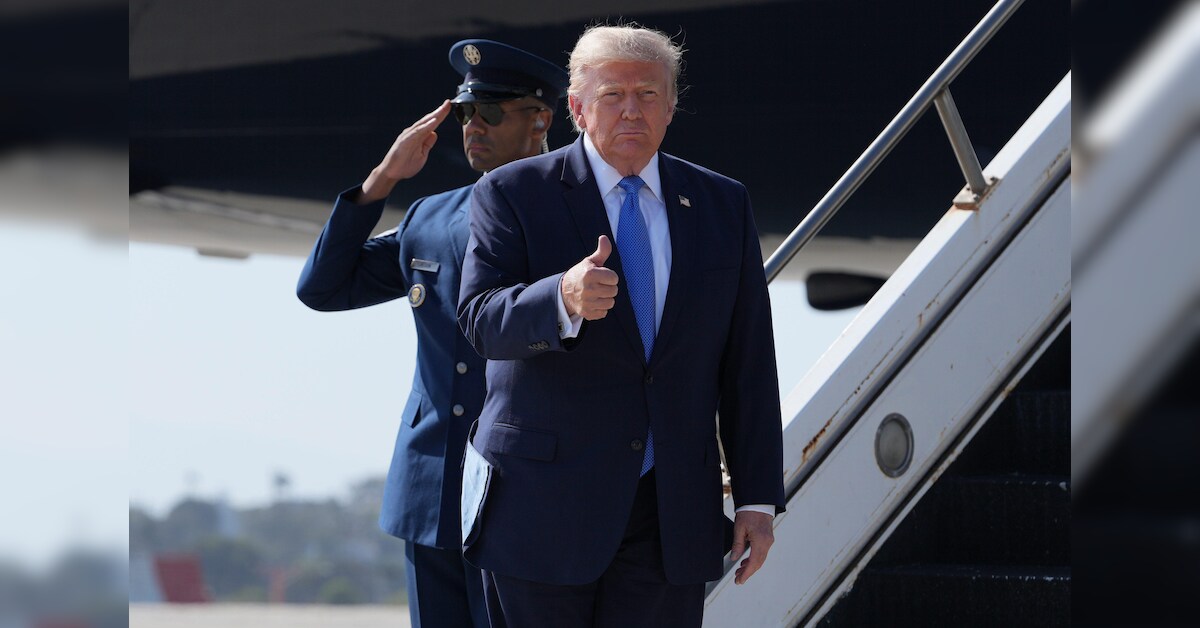
The Trump administration's approach to international relations has upended traditional patterns of diplomatic engagement, prioritizing economic disputes and perceived slights over long-standing strategic partnerships. Relations with established allies have deteriorated as trade tensions and policy disagreements take precedence, while simultaneous cultivation of ties with traditionally adversarial nations signals a fundamental realignment of American foreign policy priorities.
Countries including Canada, South Korea, and Oman have found themselves on the receiving end of hostile rhetoric and punitive measures, despite decades of close cooperation with the United States. The administration's willingness to weaponize tariffs and diplomatic pressure against these partners has strained relationships that were previously considered foundational to regional stability and security architecture.
Conversely, the administration has extended diplomatic overtures to adversaries, most notably North Korea, suggesting a willingness to engage with nations previously isolated by international consensus. This apparent inversion of conventional geopolitical logic has left traditional partners uncertain of their strategic value while emboldening competitors and adversaries.
Analysts note that this departure from established diplomatic norms did not emerge suddenly but rather represents an intensification of trends that have accumulated over the past decade. The erosion of multilateral institutions, rejection of established trade frameworks, and personalization of foreign policy have created an environment where traditional alliances carry diminished weight compared to bilateral economic calculations and personal diplomatic relationships between leaders.