Politics · India Bureau
Trump shifts tone on China, extends warm welcome to Xi Jinping
US President Donald Trump, once a fierce critic of Chinese economic policies, is now extending a notably friendly approach to Beijing and President Xi Jinping, whom he will host at a state dinner. The dramatic reversal marks a significant departure from Trump's earlier rhetoric about China's impact on American manufacturing and workers.
LSN India ·
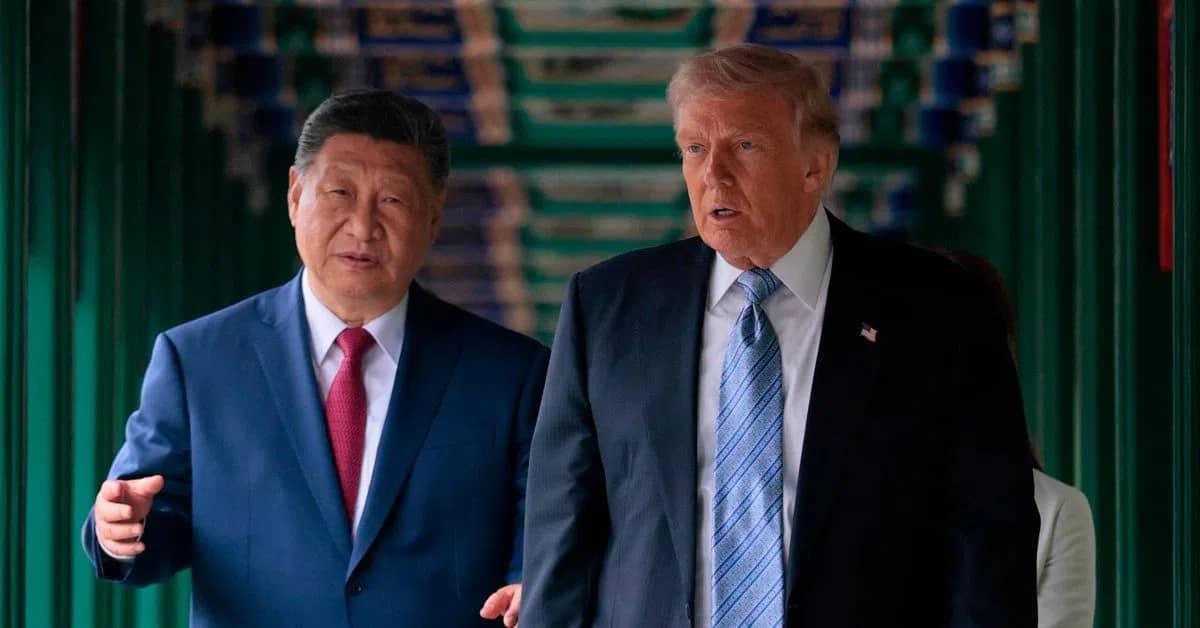
President Donald Trump's relationship with China has undergone a striking transformation since his first entry into office a decade ago. Once a vocal critic who blamed Beijing for devastating America's industrial base and hollowing out the middle class, Trump now speaks warmly of Chinese President Xi Jinping, describing him as "a great gentleman" with whom he shares "a very good relationship."
The rhetorical shift is particularly notable given that Trump's earlier China-focused messaging proved instrumental in his initial political ascent. However, subsequent years have seen the Republican leader increasingly offer Beijing passes on contentious issues. When reports surfaced that China had provided satellite imagery to Iran, Trump dismissed concerns, suggesting Xi "has behaved reasonably well." Similarly, despite previously accusing Beijing of attempting to access US voter files in 2020, Trump has indicated reluctance to pursue retaliation, suggesting China's conduct may have evolved.
The upcoming state dinner represents the latest manifestation of this transformed dynamic between the two geopolitical rivals. Trump's framing of the relationship emphasizes trade cooperation and personal rapport, while downplaying the competitive tensions that characterized his earlier public commentary. The shift illustrates how diplomatic relationships and strategic calculations can supersede campaign-era positioning, though observers continue to debate the implications for US-China relations and broader Indo-Pacific stability.