Politics · India Bureau
Trump signals maximum economic pressure strategy against Iran
The U.S. President's invocation of an 'economic D-Day' against Iran underscores a deliberate shift toward financial rather than military confrontation. The rhetoric aims to demonstrate resolve while avoiding direct military conflict.
LSN India ·
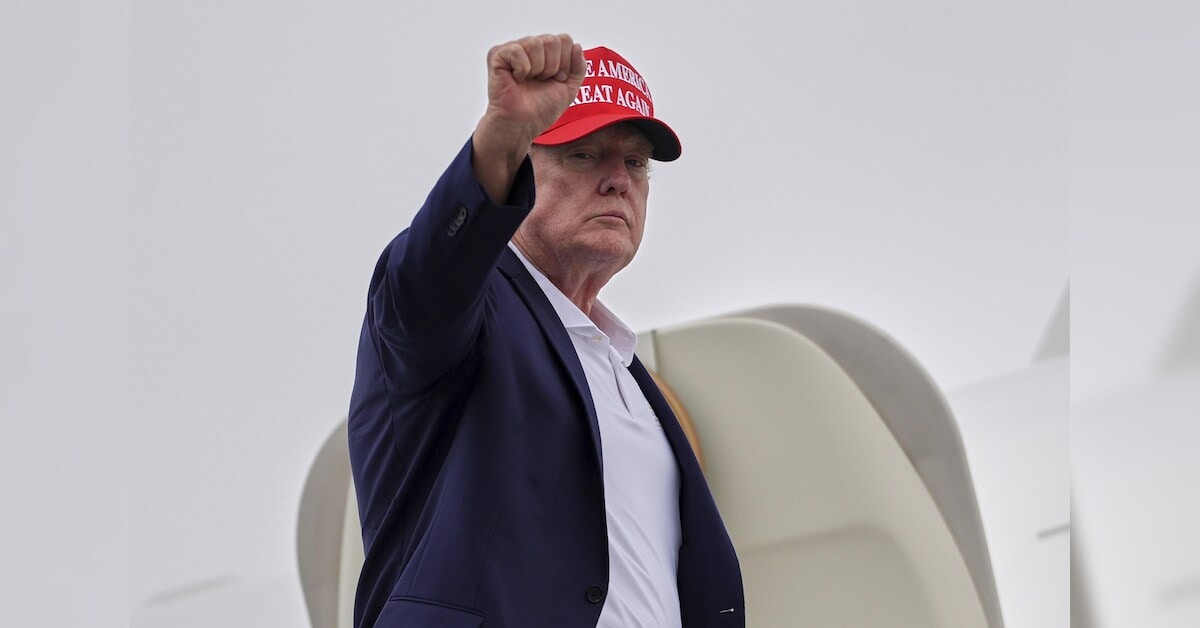
President Trump has intensified rhetoric regarding Iran policy, invoking wartime economic language to signal a hardline stance without committing to armed conflict. The characterization of potential measures as an 'economic D-Day' represents a strategic recalibration toward comprehensive financial pressure rather than kinetic military action.
The messaging reflects a calculated approach balancing deterrence with diplomatic alternatives. By emphasizing economic tools—sanctions, financial restrictions, and trade barriers—the administration indicates willingness to escalate pressure through channels that avoid the unpredictable consequences of direct military engagement.
For regional observers, particularly in South Asia where Iran maintains significant economic and strategic interests, such threats carry implications for broader geopolitical alignments and energy markets. The approach suggests the U.S. administration views economic coercion as a mechanism to compel Iranian behavioral change without triggering military escalation that could destabilize the Middle East.
Analysts note the dual signaling inherent in the rhetoric: projecting strength to domestic and international audiences while simultaneously indicating openness to non-military resolution. The 'economic D-Day' framing attempts to convey maximum credibility regarding willingness to inflict economic pain, a prerequisite for effective coercive diplomacy.