Politics · Malaysia Bureau
Trump tariffs cool Quebec's separatist ambitions, boost Canadian unity
Trade tensions with the United States have unexpectedly strengthened Canadian patriotism in Quebec, traditionally a hotbed of separatist sentiment. The shift underscores how external economic pressures can reshape provincial identity politics.
LSN Malaysia ·
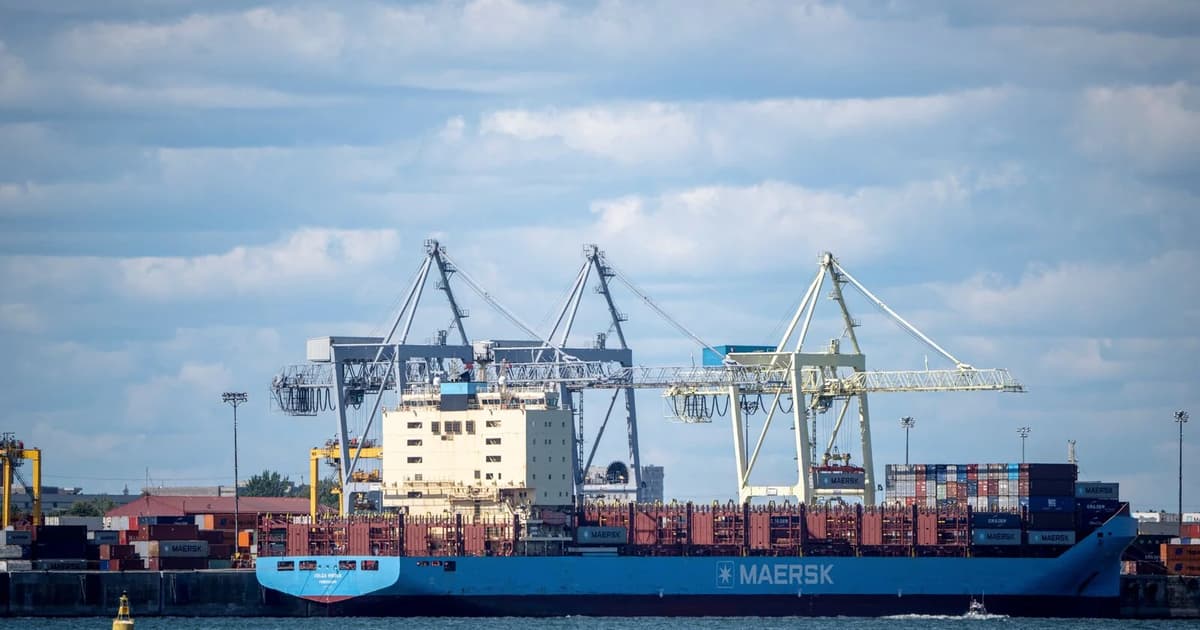
Quebec's long-standing independence movement faces a newly challenging political climate as US trade threats and rhetoric from President Donald Trump have paradoxically unified Canadians across provincial lines. Trump's contentious remarks about making Canada the 51st state, combined with aggressive tariff policies affecting the nation's economy, have galvanized a surge of Canadian nationalism even in the province most likely to pursue separation.
Historically, Quebec has maintained a robust separatist movement, with periodic referendums on independence reflecting deep-rooted concerns about cultural preservation and provincial autonomy. However, the external threat posed by American trade actions has created an unexpected rally effect, with Quebec residents increasingly viewing federal unity as essential to protecting shared economic and security interests.
Economists and political analysts suggest that cross-border tariff disputes tend to strengthen nationalist sentiment around existing state structures rather than fracture them. The tariff crisis has forced Quebec leaders and residents to recalibrate their political calculations, weighing longstanding constitutional grievances against immediate economic vulnerabilities in an increasingly protectionist global trading environment.
The shift reflects broader patterns in Canadian politics, where external challenges have historically superseded internal regional tensions. While separatist movements remain part of Quebec's political landscape, the current economic uncertainty appears to have temporarily diminished their electoral appeal and policy priority among voters.