Business · India Bureau
Trump-Xi meeting to shape fragile US-China trade relations this week
High-stakes talks between US President Donald Trump and Chinese leader Xi Jinping are set to dominate global financial markets this week. The outcome of discussions on tariffs, technology and critical minerals will likely determine the trajectory of the world's two largest economies and ripple across Asia's trade-dependent markets.
LSN India ·
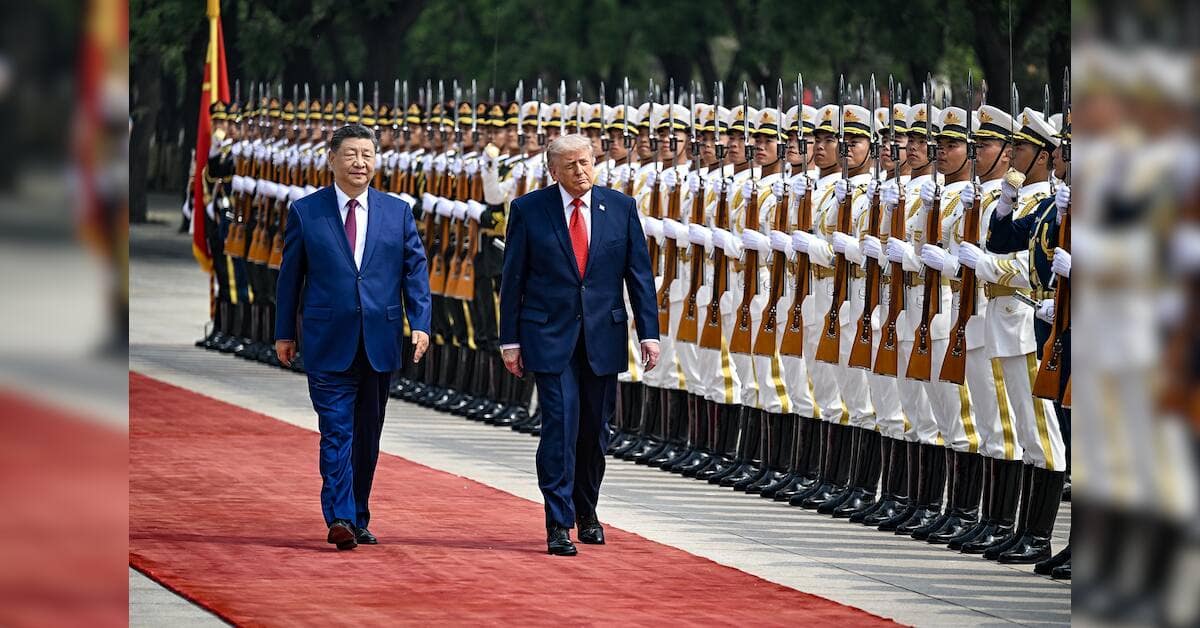
The anticipated meeting between Trump and Xi represents a critical juncture for the deteriorating US-China relationship, with implications extending far beyond bilateral trade. At the centre of discussions will be contentious tariff policies, technological competition and access to critical minerals—issues that have destabilised global supply chains and investment sentiment across the region.
India and other South Asian economies have watched closely as trade tensions between Washington and Beijing create both challenges and opportunities. Rising tariffs between the world's largest economies have already prompted multinational companies to recalibrate supply chains, with some operations shifting to India and Southeast Asia seeking alternatives to China-dependent production.
The fragility of the current US-China trade detente underscores deeper structural tensions. Disagreements over semiconductor technology, rare earth elements and strategic manufacturing capabilities reflect competing visions for technological dominance in the coming decade. Any breakthrough—or breakdown—in these negotiations could accelerate or delay broader economic restructuring across Asia.
Markets across the region are positioned cautiously ahead of the talks. Equity indices, currency valuations and commodity prices remain sensitive to each development, as investors attempt to gauge whether this meeting will stabilise or further deteriorate the relationship. For India's export-oriented sectors and broader emerging market economies, the outcome carries significant weight in determining global economic stability over the medium term.