Business · World News Bureau
Trump-Xi Summit Raises Questions on Trade War's Actual Winners
As the U.S. and Chinese leaders meet, analysis suggests the tariff-heavy trade conflict failed to deliver promised economic gains for America while strengthening Beijing's trade position.
LSN World News ·
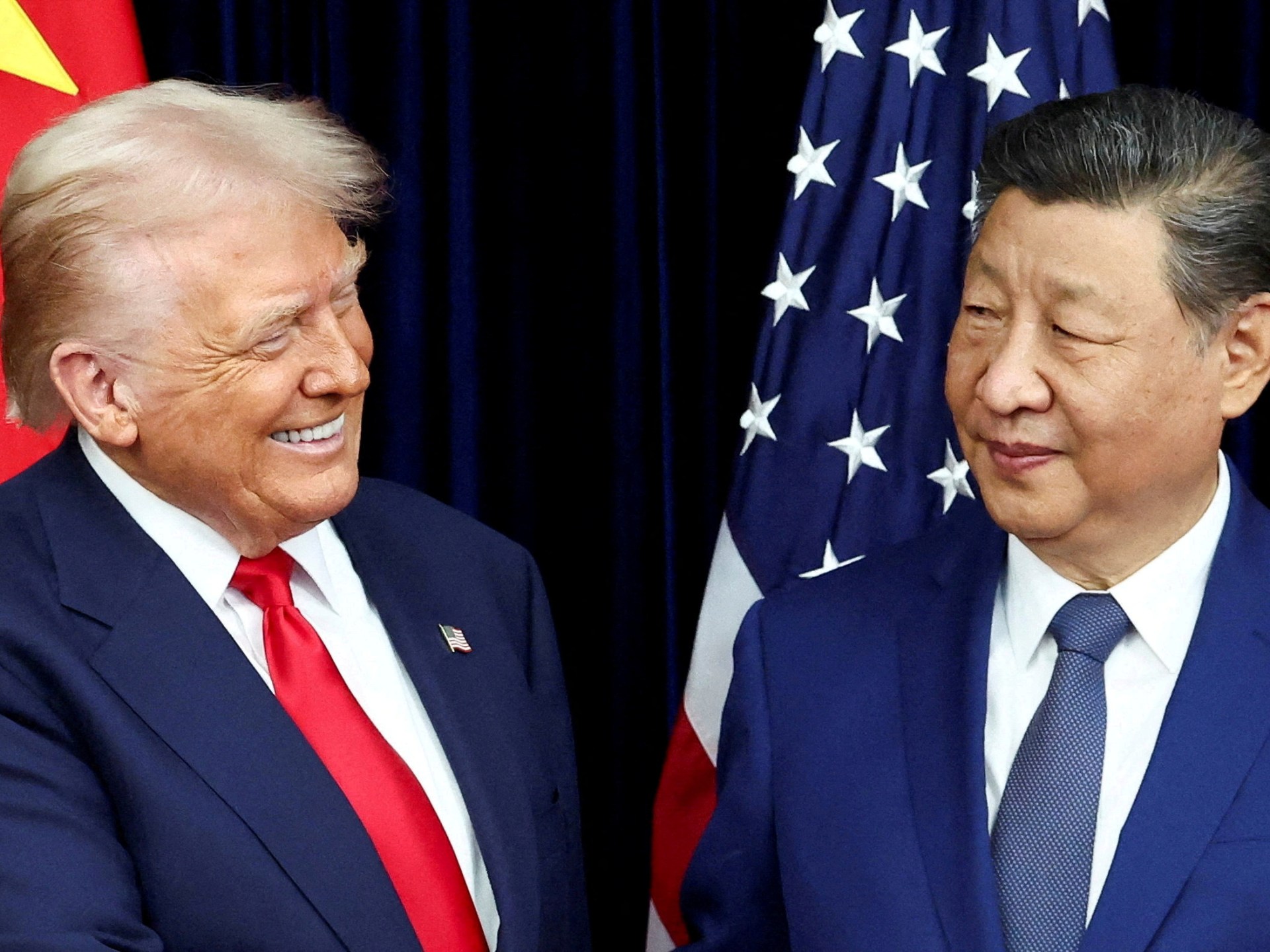
The trade tensions that have defined U.S.-China relations under the Trump administration have produced mixed results at best for American economic objectives, even as President Trump and Chinese leader Xi Jinping prepare for high-level discussions.
Central to Trump's presidency has been his confrontational approach to trade policy, particularly toward China, with tariffs deployed as a primary tool to address the bilateral trade imbalance. However, the strategy has not achieved its stated goal of reducing the U.S. trade deficit, which remains a focal point of administration policy.
Conversely, China's trade position has strengthened during the period of escalating tariffs and retaliatory measures. The world's second-largest economy has maintained and expanded its trade surplus, suggesting the dispute has had limited impact on Beijing's fundamental economic trajectory.
Economists point to multiple factors explaining the divergent outcomes, including global supply chain adjustments, shifts in consumer demand, and the complexity of modern trade flows that resist simple tariff-based remedies. As the two leaders convene, questions persist about whether further trade measures will prove more effective than previous efforts in reshaping the bilateral economic relationship.
The incongruent results of the trade war underscore the challenges policymakers face in using tariffs as tools for structural economic change, particularly when dealing with an economy as large and interconnected as China's.