World · India Bureau
Trust, not just engineering, drove India's Shakti microprocessor development
According to the lead researcher behind India's indigenous Shakti microprocessor, the project's success hinged on building confidence among stakeholders as much as technical innovation. The achievement represents a significant milestone in India's push toward self-reliance in semiconductor design.
LSN India ·
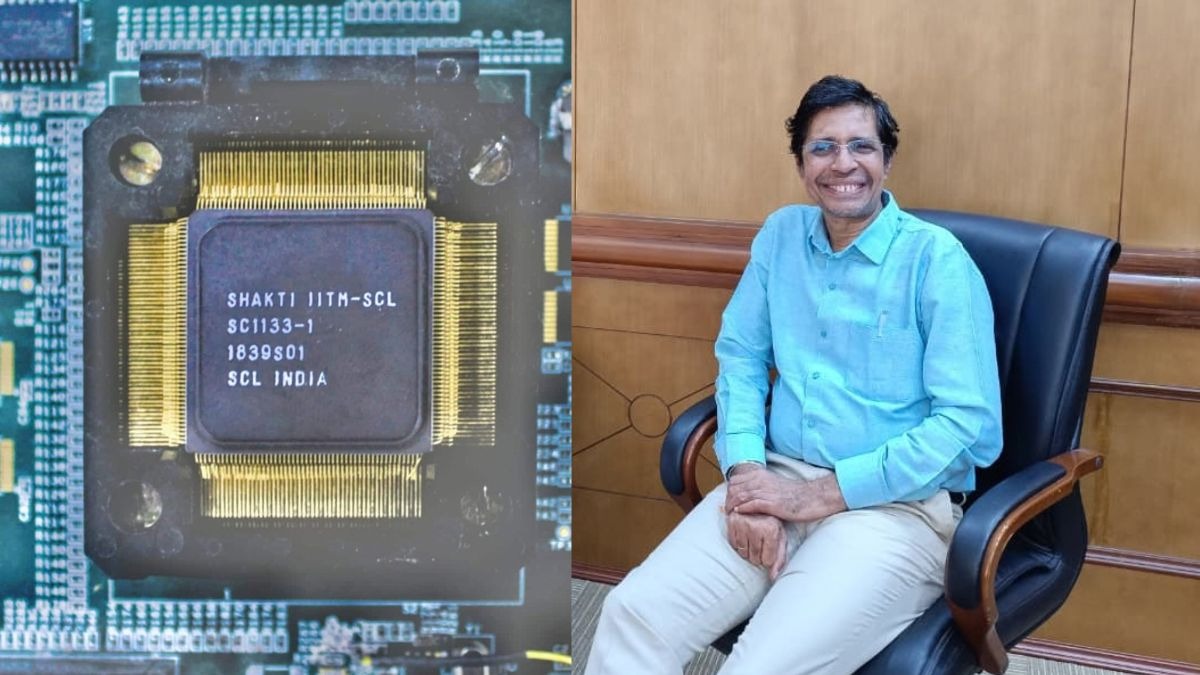
The development of India's Shakti microprocessor transcended conventional engineering challenges, with trust emerging as a fundamental pillar of the project's success, according to Kamakoti, the principal architect behind the initiative.
The indigenous processor, developed as part of India's broader ambitions to reduce dependence on foreign semiconductor technology, required coordinated effort across research institutions, government bodies, and industry partners. Kamakoti emphasized that convincing diverse stakeholders to invest their confidence in an unproven domestic capability proved as critical as solving technical problems.
Building institutional trust meant demonstrating consistent progress, maintaining transparency about timelines and capabilities, and delivering on commitments. This approach fostered the collaborative ecosystem necessary for a long-term, complex technological endeavor that typically spans multiple years and requires sustained commitment from multiple parties.
The Shakti project reflects India's strategic push toward semiconductor self-sufficiency amid global supply chain challenges. By establishing credibility through the microprocessor development, researchers and policymakers have created momentum for further indigenous semiconductor initiatives, potentially attracting greater investment in India's technology ecosystem.
The emphasis on trust-building underscores a broader lesson for India's technological advancement: success in cutting-edge fields requires not only technical expertise but also the ability to cultivate confidence among stakeholders who must champion and support innovation over extended periods.