Politics · World News Bureau
Tunisia Grapples With Economic Crisis Five Years After Presidential Power Consolidation
Five years after President Kais Saied consolidated executive authority, Tunisia faces mounting economic hardship and a shrinking space for public dissent. Long-standing grievances over joblessness and inequality have re-emerged as the North African nation struggles with fiscal pressures.
LSN World News ·
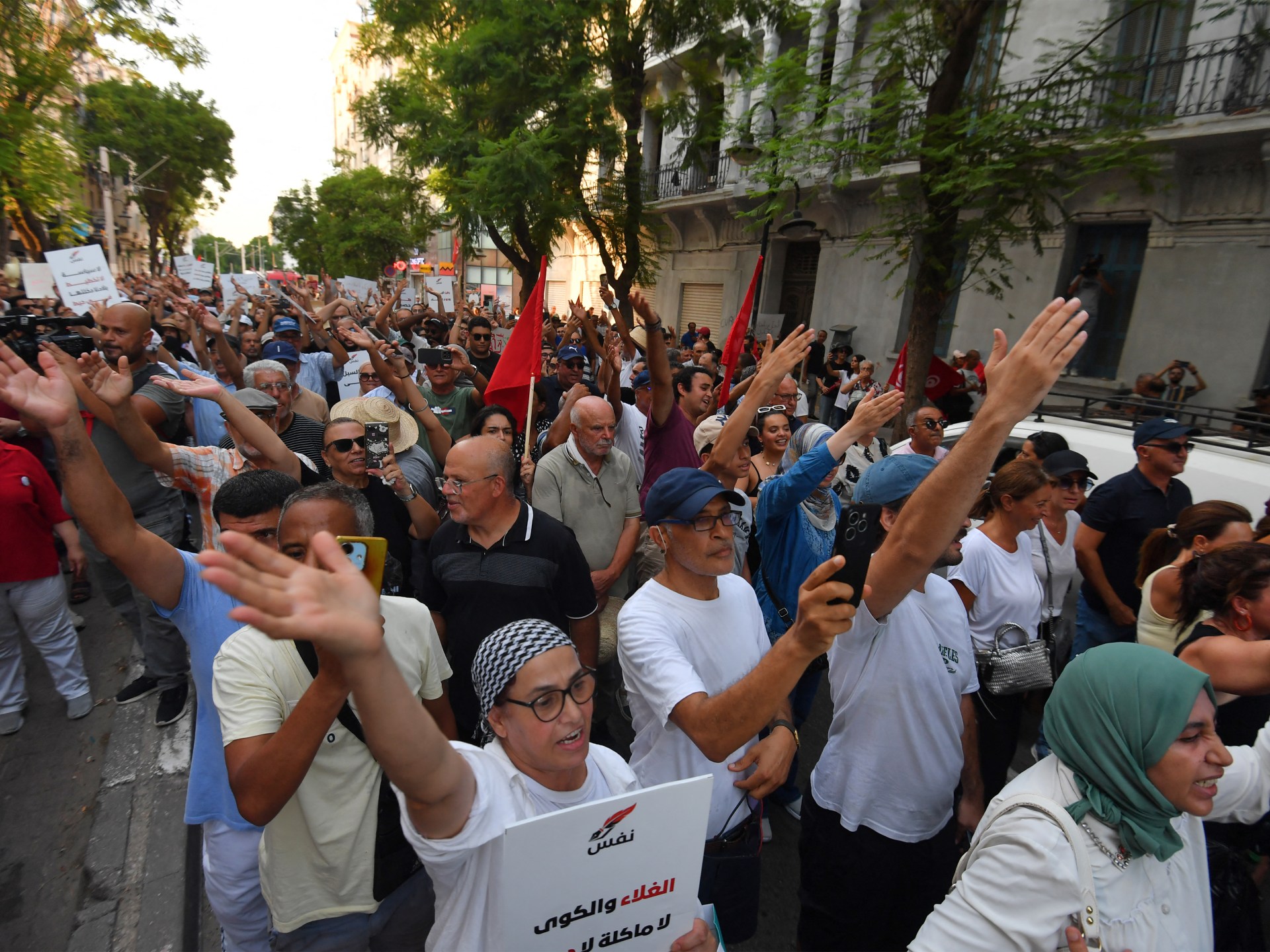
Tunisia is confronting a resurgence of economic discontent half a decade after President Kais Saied assumed sweeping powers in 2021, underscoring the country's persistent structural challenges despite political reorganization. Unemployment remains elevated, particularly among youth, while inflation has strained household budgets across the nation. The combination of fiscal constraints and limited economic growth has reignited frustrations that initially fueled calls for political change in the years following the 2011 revolution.
The concentration of presidential authority has coincided with a narrowing of space for political opposition and public criticism. Civil society organizations and independent media outlets report increased constraints on their operations, creating a climate in which dissent has become more difficult to express. Opposition figures have faced legal challenges, while demonstrations have encountered tighter restrictions.
Economic indicators paint a challenging picture for ordinary Tunisians. The dinar has depreciated significantly against major currencies, import costs have surged, and public sector wages have not kept pace with living expenses. These conditions have disproportionately affected lower-income households and young people entering the job market.
Tunisia's international creditors, including the International Monetary Fund, have pressed the government to implement austerity measures and structural reforms. These requirements have constrained public spending and potentially deepened hardship for vulnerable populations. Analysts suggest that without credible economic improvement and broader political engagement, social tensions are likely to persist.