Business · World News Bureau
Tunisia's Economic Struggles Persist Despite Saied's Seven-Year Rule
Tunisia faces mounting economic headwinds including soaring inflation, stubborn joblessness, and ballooning public debt, testing President Kais Saied's early pledges to revitalize the North African nation's finances.
LSN World News ·
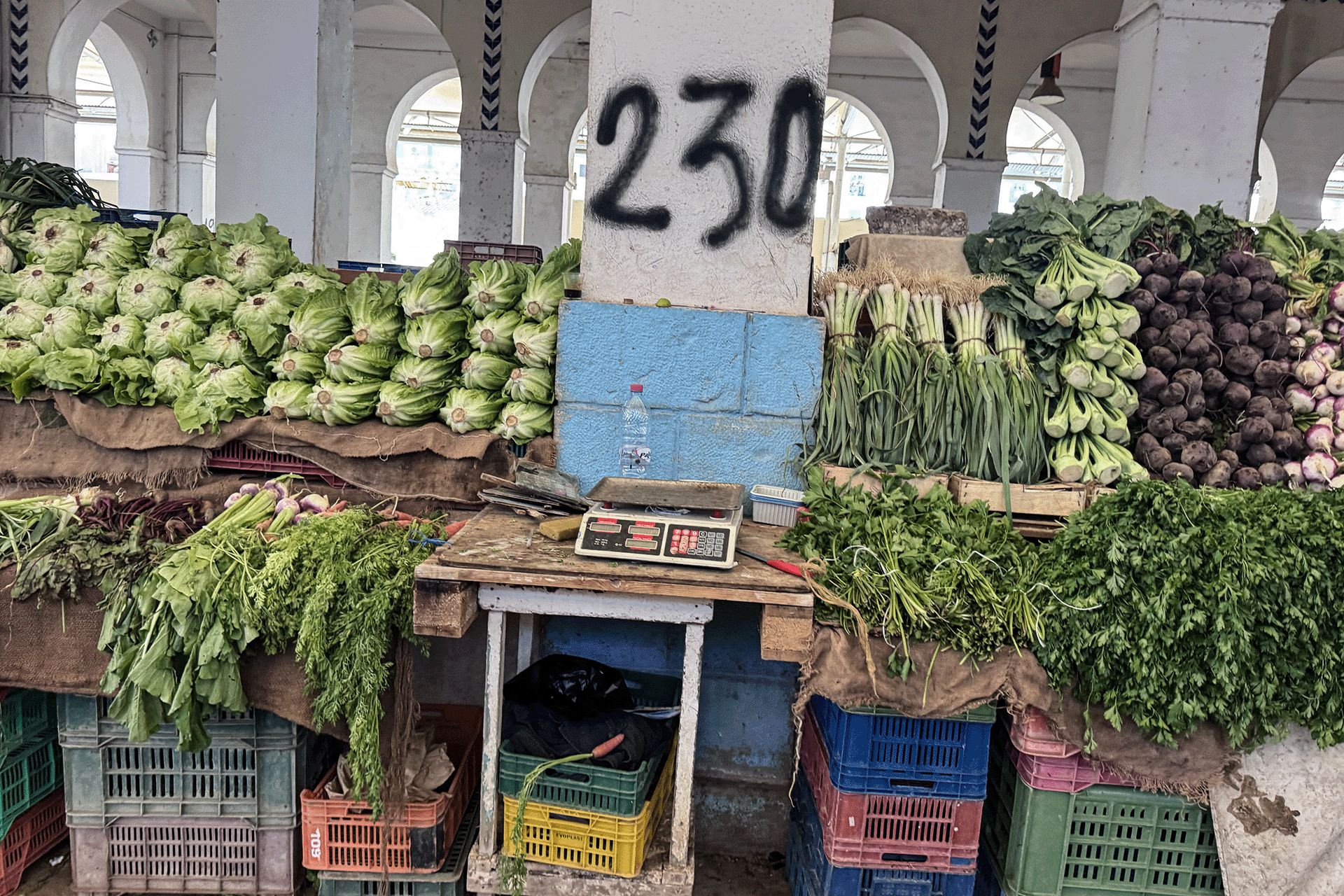
Tunisia's economic performance under President Kais Saied has fallen short of the ambitious reform agenda he outlined when assuming office seven years ago. The country continues to grapple with elevated inflation rates that have squeezed household purchasing power, persistent unemployment that remains a flashpoint for social discontent, and a rising debt burden that constrains fiscal flexibility.
The convergence of these challenges underscores the difficulty of implementing sweeping economic transformation in a nation already burdened by structural imbalances and external pressures. Despite initial optimism surrounding Saied's anti-corruption stance and promises of institutional renewal, Tunisia has struggled to attract the foreign investment needed to drive job creation and economic diversification.
Public debt has continued its upward trajectory, weighing heavily on government finances and limiting resources available for social spending and development initiatives. Youth unemployment remains particularly acute, fueling migration pressures and public frustration with the pace of economic improvement.
Analysts attribute the sluggish recovery partly to global economic headwinds, including commodity price volatility and tourism sector fluctuations. However, domestic policy implementation and institutional capacity constraints have also hindered more rapid progress in stabilizing Tunisia's macroeconomic position and delivering tangible improvements in living standards for ordinary citizens.