Culture & Entertainment · Malaysia Bureau
Turkey-Azerbaijan alliance strained over hijab ban, Israel stance
The traditionally close relationship between Turkey and Azerbaijan faces mounting pressure as disagreements emerge over Baku's restrictions on Islamic headscarves in schools and differing positions on Israel policy.
LSN Malaysia ·
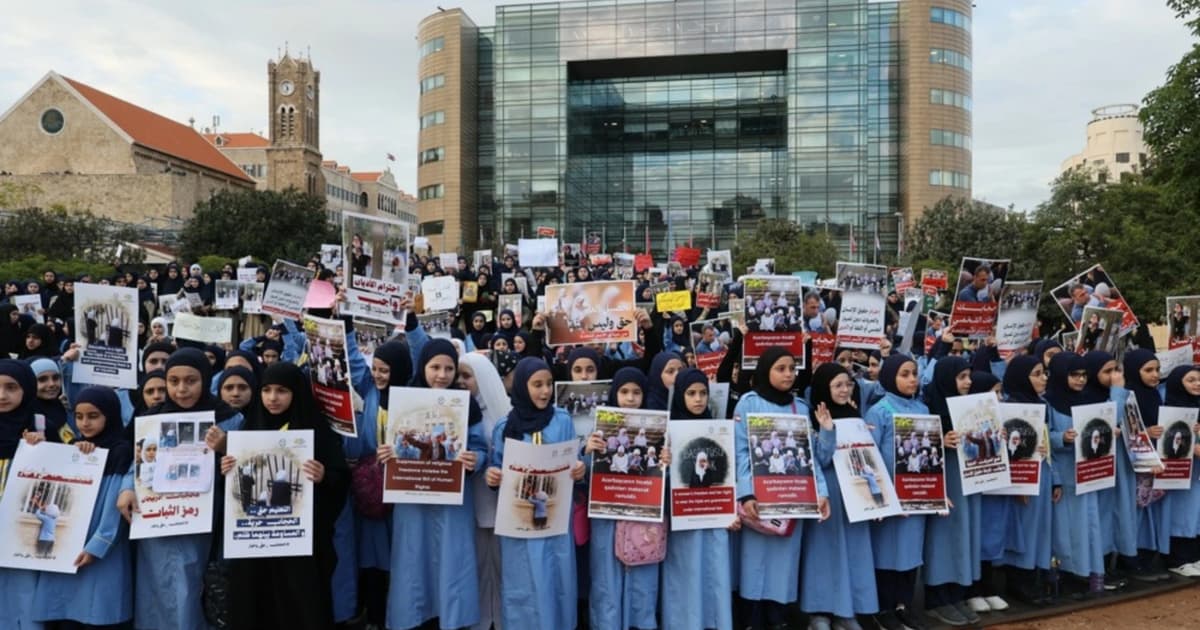
Turkey and Azerbaijan, neighbours with deep historical and cultural ties, are experiencing growing friction over domestic and foreign policy issues that threaten their traditionally strong alliance. The tensions centre on Azerbaijan's implementation of restrictions on the Islamic headscarf, known as the hijab, in educational institutions—a move that has drawn scrutiny from Ankara. Additionally, the two nations have found themselves at odds over their respective approaches to Israel and Middle Eastern affairs, marking a rare discord between allies who have long presented a unified front in regional matters. The headscarf restrictions have proven particularly contentious, touching on religious and cultural sensitivities that resonate deeply within Turkey's political establishment. Officials in Ankara have expressed concerns about the policies, viewing them as inconsistent with Islamic principles and raising questions about religious freedom in Azerbaijan's secular framework. Meanwhile, divergent foreign policy positions, particularly regarding Israel, have added another layer of complexity to bilateral relations. Turkey maintains a more cautious stance towards Israel compared to Azerbaijan's pragmatic approach to diplomatic and economic engagement. These emerging disagreements represent a significant development in South Caucasus geopolitics, as the two nations navigate competing priorities between maintaining their strategic partnership and addressing internal and external policy objectives. Observers note that resolving these tensions will require careful diplomatic engagement and a willingness from both Ankara and Baku to accommodate differing perspectives on sensitive issues.