World · World News Bureau
Turkey Renews Push to Eliminate UN Security Council Veto Power
Turkey has called for the abolition of the veto authority held by the United Nations Security Council's five permanent members, though analysts say such a fundamental reform faces virtually insurmountable obstacles to implementation.
LSN World News ·
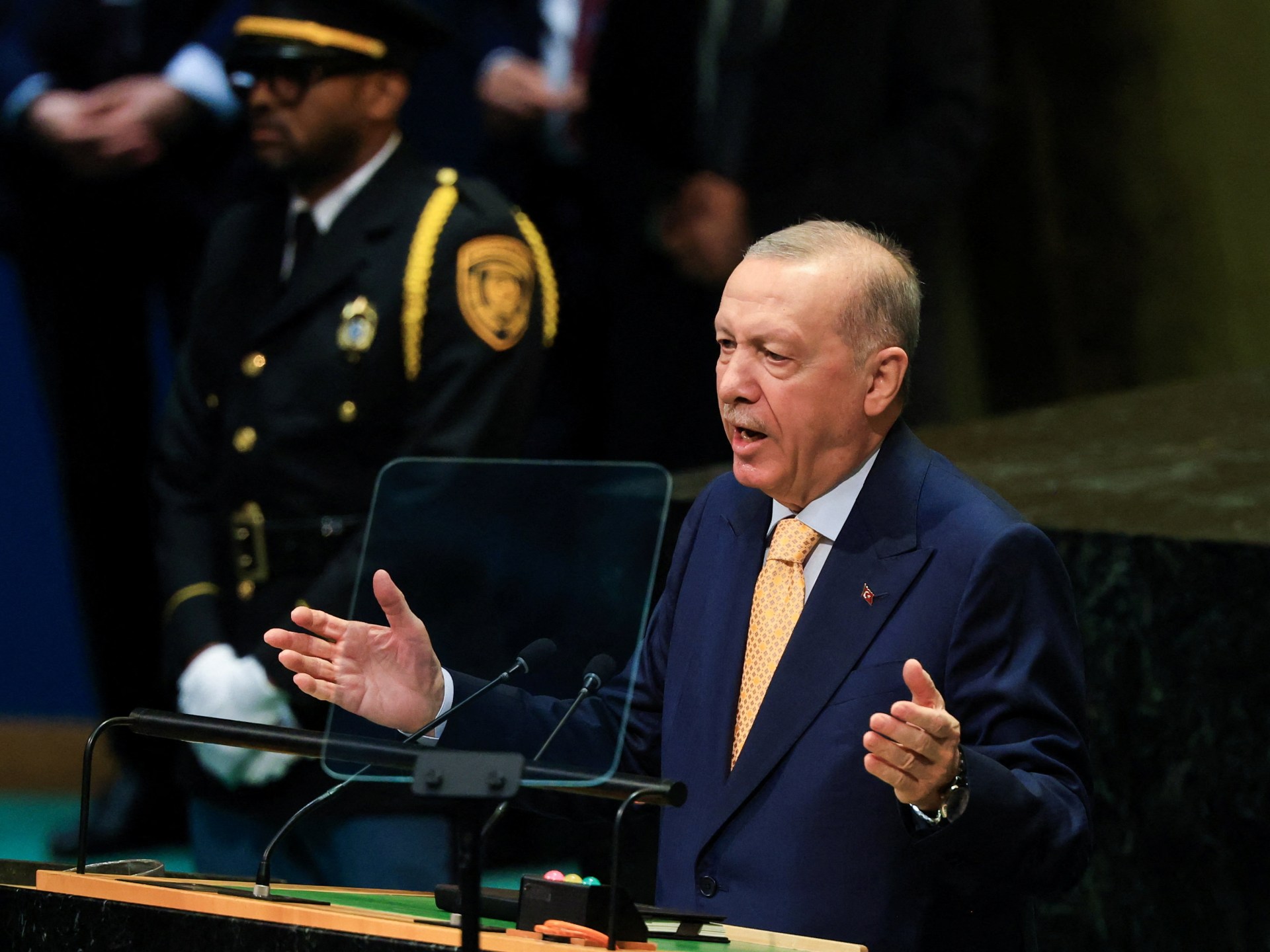
Turkey has revived calls for eliminating the veto power wielded by the five permanent members of the UN Security Council, arguing that the mechanism undermines the organization's effectiveness in responding to global crises. The proposal reflects growing frustration among non-permanent member states over how the veto system allows individual nations to block resolutions on humanitarian interventions, conflict resolution, and peacekeeping operations.
The veto authority, granted to the United States, Russia, China, Britain, and France under the UN Charter signed in 1945, has been a contentious feature of international governance for decades. Supporters of reform contend that the system is increasingly anachronistic and prevents the Security Council from addressing contemporary challenges effectively, particularly when permanent members have strategic interests at stake.
However, experts acknowledge that meaningful reform remains highly improbable. Fully eliminating the veto would require amending the UN Charter, a process that demands ratification by all five permanent members themselves. This creates a fundamental paradox: no permanent member is likely to voluntarily relinquish the power that elevates its status within the international system.
Previous attempts to constrain or reform the veto mechanism have failed despite periodic support from various nations and civil society organizations. While some proposals have suggested limiting veto use in cases of genocide or mass atrocities, implementing such measures would still require consensus among the permanent members, making even modest reforms extraordinarily difficult to achieve.