World · India Bureau
Turkey's iconic salt lake dries up, threatening wildlife and industry
Turkey's renowned Salt Lake faces a severe water crisis due to diminished rainfall and excessive groundwater extraction, threatening the survival of flamingo populations and disrupting salt production and tourism.
LSN India ·
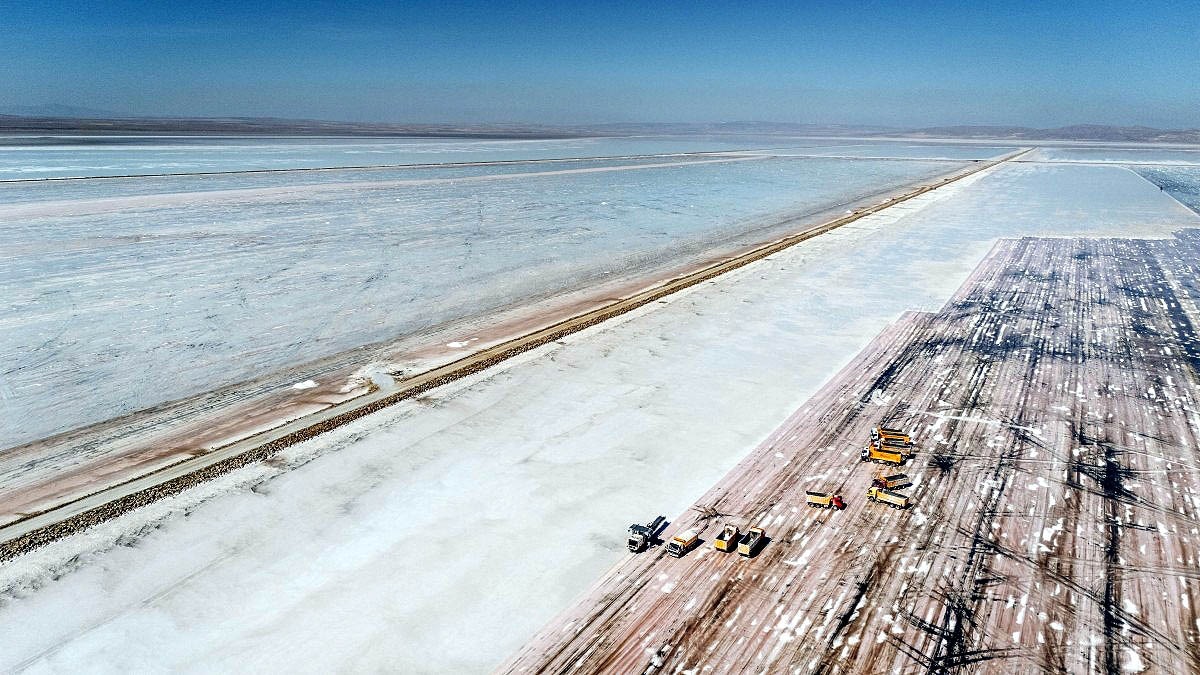
Turkey's Salt Lake, a vital ecosystem and economic resource, is experiencing unprecedented water depletion as declining precipitation and overexploitation of underground aquifers combine to drain the basin. The once-abundant lake, known for its mineral-rich waters and unique biodiversity, has shrunk dramatically, raising alarm among environmental scientists and policymakers across the region.
The drying lake presents immediate challenges for multiple sectors. The ecosystem faces severe stress, particularly for the thousands of flamingos that depend on the lake's specialized habitat for feeding and breeding. The species' survival in the region is now at risk as water levels continue to recede.
Beyond ecological concerns, the crisis threatens Turkey's salt industry, which relies on the lake's mineral reserves for commercial production. The sector, which contributes to local economies and supplies domestic and international markets, faces potential disruption if water scarcity persists. Additionally, the lake's status as a major tourist destination is jeopardized, with visitor numbers expected to decline as the lake's aesthetic and recreational value diminishes.
Environmental experts attribute the crisis to a combination of climate-driven factors and unsustainable water management practices in the surrounding region. Addressing the situation will require coordinated efforts to reduce groundwater extraction, improve agricultural water efficiency, and adapt to changing precipitation patterns. The Salt Lake's plight underscores broader water security challenges facing many regions across South and Southeast Asia amid climate variability.