Culture & Entertainment · Singapore Bureau
Turkish farmers shift crops as water scarcity deepens ahead of COP31
Facing persistent drought conditions, farmers in western Turkey are abandoning traditional crops for drought-resistant alternatives to reduce water consumption and production costs. The agricultural shift underscores mounting climate pressures as the country prepares to host the international climate summit.
LSN Singapore ·
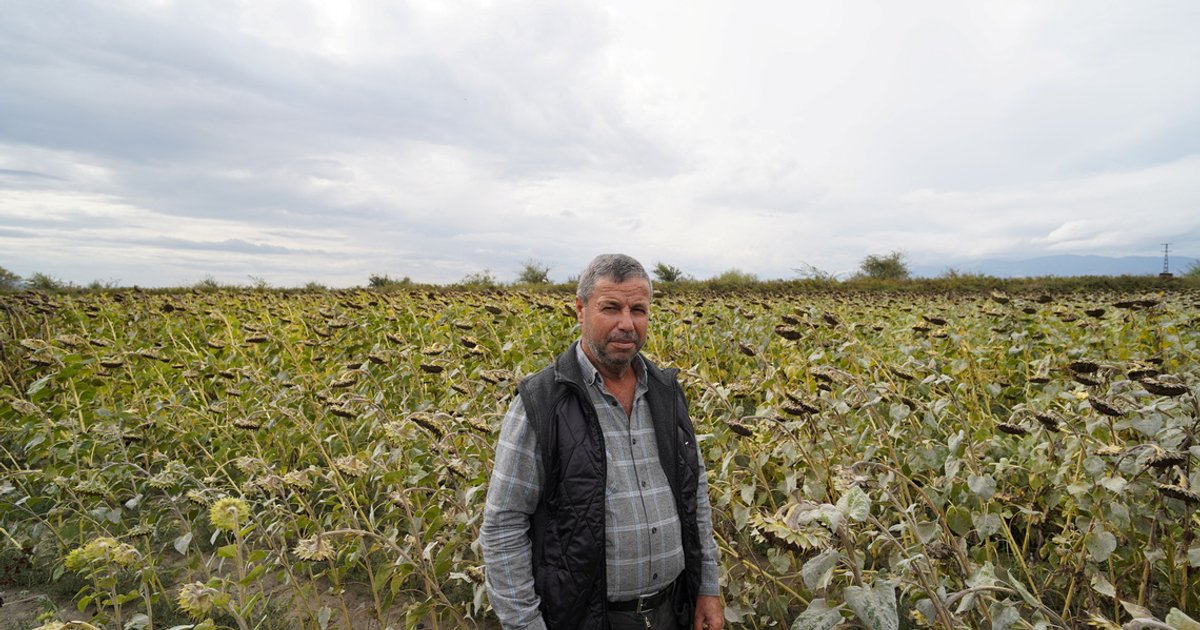
SOKE, Turkey — Farmer Mehmet Kabak has cultivated cotton on his western Turkish land for decades, but this growing season marks a significant departure. Responding to increasingly severe drought conditions, Kabak has replaced water-intensive cotton with wheat and sunflower varieties that demand considerably less irrigation.
The decision reflects a broader adaptation strategy among Turkish agricultural producers grappling with chronic water scarcity. By switching to less demanding crops, farmers can substantially reduce production expenses while maintaining viable yields in an environment where reliable water access has become uncertain.
Western Turkey has long struggled with drought vulnerability, a challenge compounded by wider climate patterns affecting the region. The agricultural transformations occurring in areas like Soke demonstrate how farming communities are recalibrating their practices in response to environmental constraints, prioritizing crop varieties aligned with available water resources.
As Turkey prepares to host COP31, the climate conference bringing together global policymakers, the country's agricultural sector faces mounting pressures from water stress. The practical adaptations undertaken by farmers highlight the urgent, tangible impacts of climate change on regional food production and rural economies, issues likely to feature prominently in international climate discussions.