World · India Bureau
Two captive-bred Great Indian Bustards released into Rajasthan wild
In a significant milestone for India's conservation efforts, two Great Indian Bustards bred in captivity have been released into the wild in Rajasthan. The release represents a critical test of whether birds raised in controlled environments can survive and reproduce independently in their natural habitat.
LSN India ·
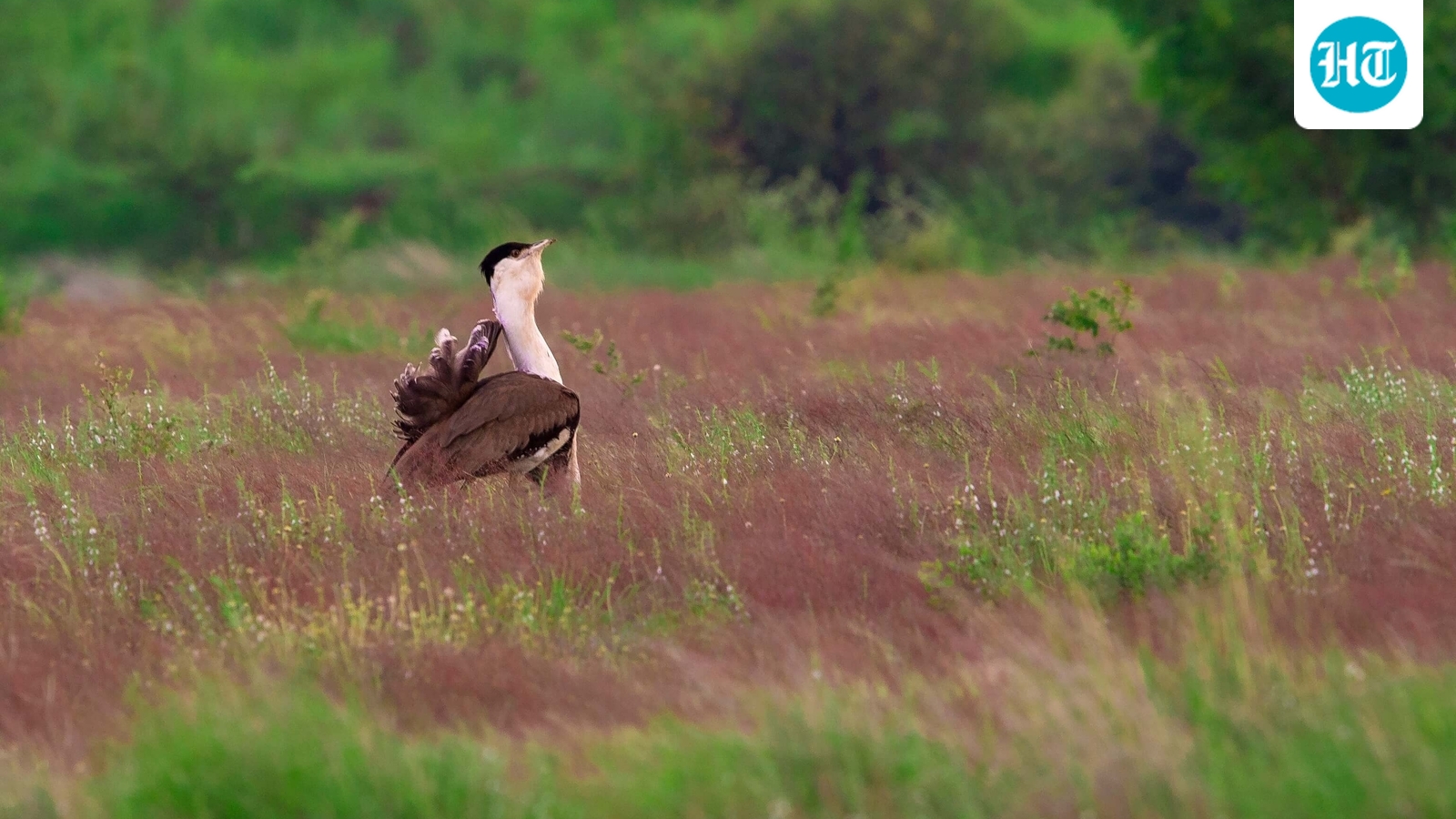
The release of the two birds marks an important phase in the ongoing efforts to save the critically endangered Great Indian Bustard from extinction. The species, once widespread across Indian grasslands, has seen its population decline dramatically over recent decades due to habitat loss, hunting, and other human activities.
The captive breeding programme has been instrumental in maintaining a viable population of the species while conservationists work to restore suitable habitats. The successful breeding of these birds in captivity demonstrated that the species could reproduce under controlled conditions, paving the way for this reintroduction attempt.
Experts and wildlife officials will now closely monitor the released birds to assess their ability to adapt to life in the wild. The monitoring programme will track crucial indicators including survival rates, feeding behaviour, territorial establishment, and ultimately, reproductive success in their natural environment.
The outcome of this release will provide valuable data for the broader conservation strategy. Success could lead to further reintroductions and expansion of the programme, offering renewed hope for the species' recovery. Conversely, any challenges encountered will inform improvements to future reintroduction efforts, ensuring that subsequent releases are increasingly effective in restoring viable wild populations of the Great Indian Bustard.