Business · India Bureau
Two centuries of US-China trade rivalry shape global economics today
America's approach to Chinese commerce has evolved from 18th-century merchant ventures to modern tariff disputes, reflecting deeper tensions between the world's two largest economies. The historical arc reveals how trade has consistently served as a flashpoint in their relationship.
LSN India ·
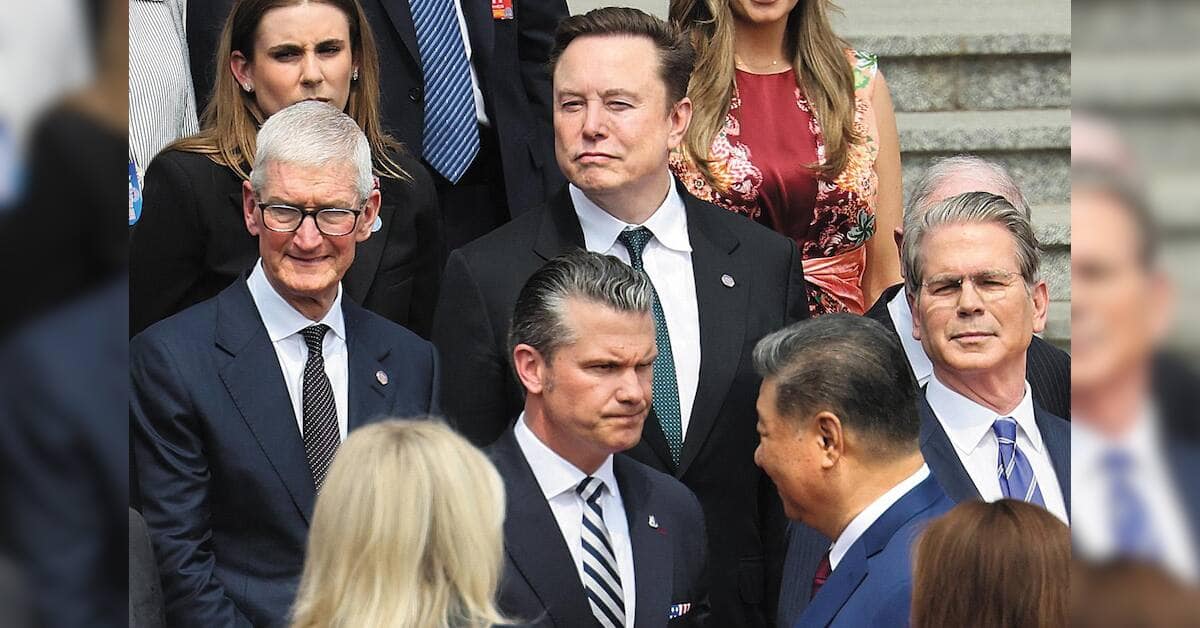
The United States and China's economic relationship stretches back more than two centuries, beginning with early American merchant ships seeking fortune in Chinese ports during the 1700s. What started as straightforward commercial enterprise has transformed into one of the most consequential economic relationships of the modern era, marked by periodic cycles of cooperation and confrontation.
Throughout the 19th and 20th centuries, US-China trade dynamics shifted dramatically with changing political circumstances. Colonial-era merchant capitalism gave way to periods of isolation, market opening, and eventually integrated supply chains. Each phase reflected broader geopolitical alignments and competing visions for how trade should be structured between nations with fundamentally different economic systems.
Today's tariff disputes and trade tensions represent the latest chapter in this extended narrative. Modern trade warfare employs customs duties and import restrictions rather than merchant ships, yet the underlying tensions remain rooted in differing economic philosophies and national interests. Both nations view trade policy as essential to protecting their economic and strategic advantages.
The volatility characterizing current US-China relations stems partly from this historical context. Neither nation views commerce as a simple exchange of goods, but rather as an extension of national policy and competitive positioning. As the world's two largest economies navigate increasingly complex supply chains and technological competition, their unresolved trade tensions continue reshaping global commerce and influencing business decisions across Asia and beyond.