World · India Bureau
Two decades of python tracking yields critical wildlife management insights
A long-term study tracking Burmese pythons in Florida's Everglades has revealed that gravid females consistently shed tracking devices, presenting new challenges for wildlife researchers monitoring the invasive species.
LSN India ·
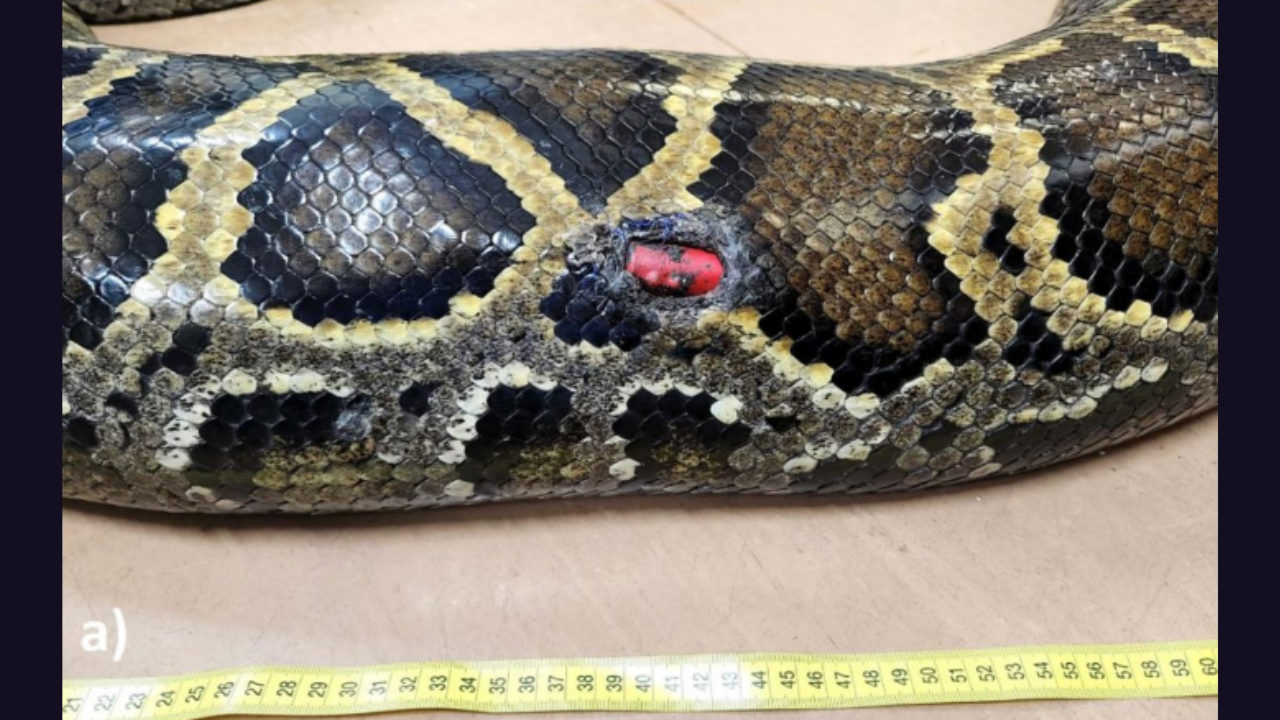
Researchers monitoring Burmese pythons in Florida's Everglades over a 20-year period documented a significant finding: all four tracking devices lost during the study were shed by pregnant females, highlighting an overlooked complication in managing the invasive population.
The extended research initiative, which followed 142 individual pythons across two decades, provides valuable data on the behaviour and ecology of the non-native species that has established a substantial population in the wetland ecosystem. The loss of trackers specifically from gravid females suggests these snakes undergo physiological or behavioural changes that may affect device retention.
Understanding such patterns is critical for effective wildlife management and invasive species control programmes. Florida's python population, believed to have originated from escaped or released pets, has proliferated across the Everglades since the early 2000s, posing threats to native fauna. The long-term tracking study underscores the importance of developing more reliable monitoring methods and gaining deeper insights into reproductive biology of invasive species.
The findings contribute to the broader scientific understanding of how invasive reptiles adapt and reproduce in new environments, information essential for conservation planners and wildlife authorities across regions facing similar ecological challenges. Researchers are expected to refine tracking methodologies based on these observations to improve future monitoring efforts.