Politics · India Bureau
Two decades of RTI: digitisation brings new barriers, says activist
India's Right to Information law faces mounting challenges as digital requirements and centralised control threaten its original promise of transparency, according to veteran activist Nikhil Dey.
LSN India ·
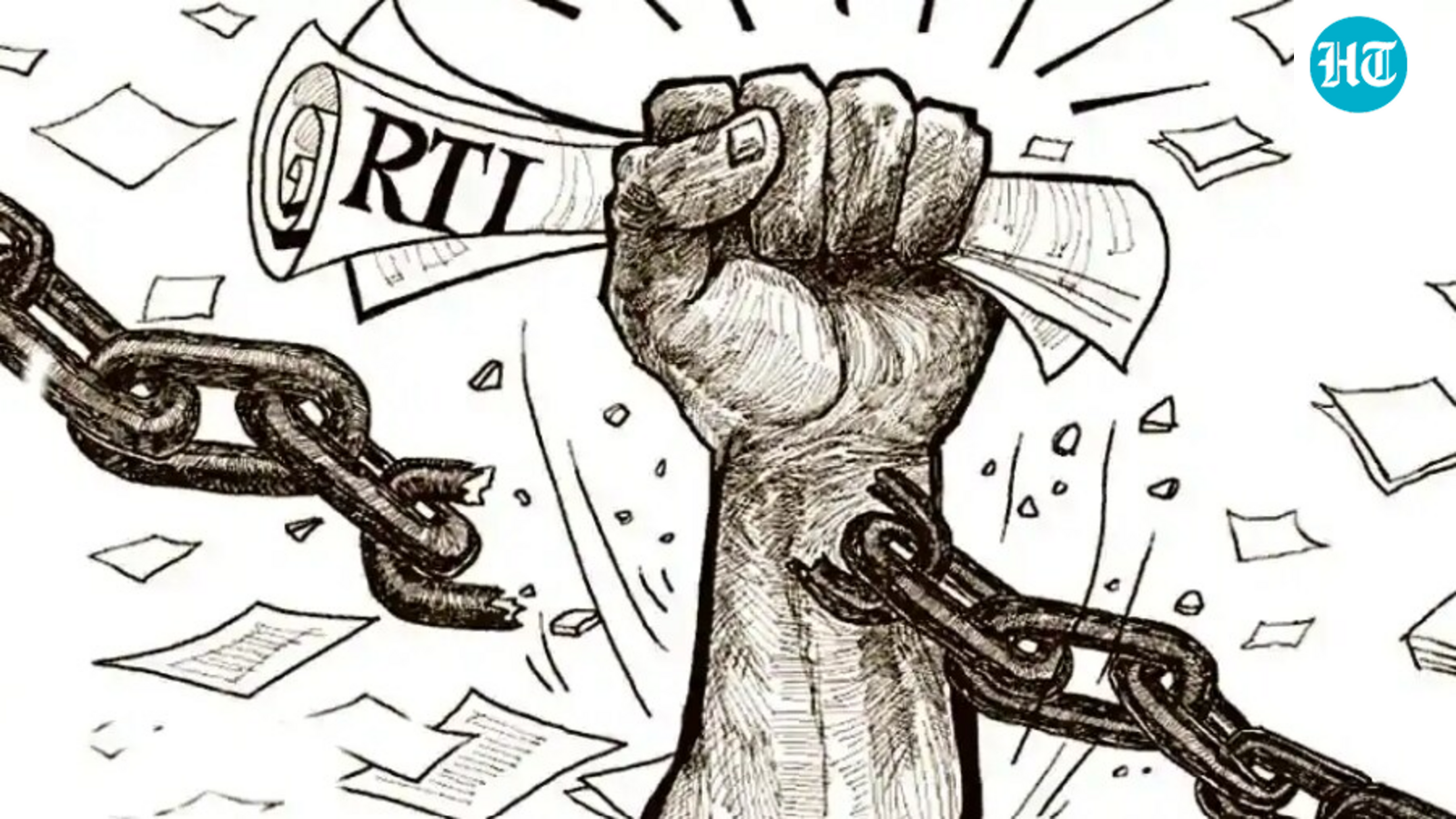
The Right to Information Act, enacted two decades ago, was designed to empower citizens with access to government records. However, implementation has increasingly deviated from this core objective, with digitisation requirements and administrative changes creating fresh obstacles for information seekers.
Activist Nikhil Dey, a leading voice in transparency advocacy, notes that while the RTI framework initially assured greater openness across Indian governance, the introduction of mandatory digital access and login requirements has paradoxically reduced accessibility for many citizens. These mechanisms, ostensibly aimed at modernisation, have effectively created barriers for those without digital literacy or reliable internet connectivity.
The law's trajectory shifted notably following amendments in 2019, which expanded central government authority over information commissioners. The changes granted the Centre control over tenure and salary structures, raising concerns about the independence of these regulatory bodies. Previously, commissioners operated with greater autonomy, enabling them to function as genuine arbiters in RTI disputes.
These developments reflect broader tensions within India's transparency architecture. While legislative protections remain in place, operational modifications have gradually eroded the practical utility of citizen information rights. Activists argue that reversing these administrative changes is essential to restore the RTI Act's foundational purpose of holding government accountable to citizens.