World · India Bureau
Two Indian-American politicians chart divergent paths in U.S. politics
The 2026 U.S. elections revealed starkly different visions among Indian-American political figures, with their contrasting approaches yielding notably different electoral outcomes.
LSN India ·
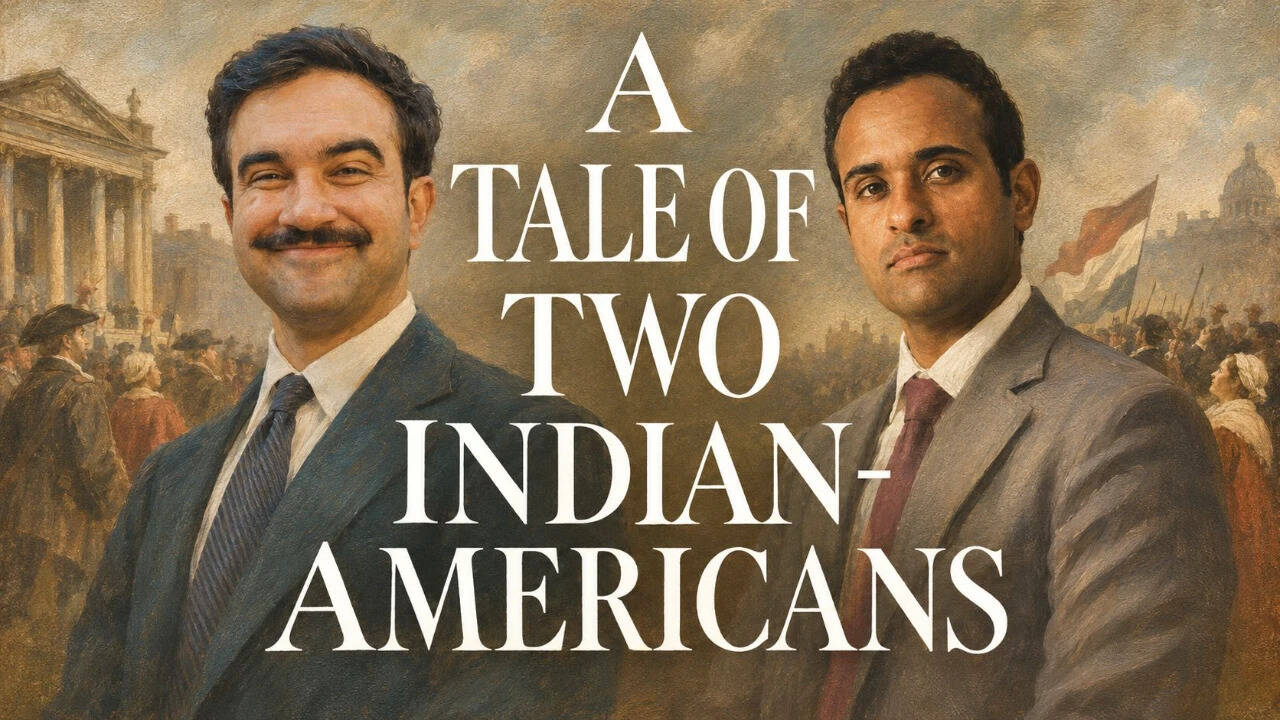
The November 2026 U.S. midterm elections underscored a fundamental divide in political philosophy among Indian-American candidates, with two prominent figures embodying opposing worldviews that resonated differently with American voters.
Vivek Ramaswamy and Zohran Mamdani, both representatives of Indian-American political ambitions, pursued markedly distinct strategies rooted in contrasting philosophies. Ramaswamy's campaign emphasized skepticism and concern about America's trajectory, articulating messages centered on institutional failures and systemic decline. Conversely, Mamdani's approach centered on optimism and progressive reform, presenting a vision grounded in hope and constructive change.
The electoral results provided a telling commentary on which messaging strategy proved more compelling to American voters at this particular political moment. Mamdani's optimistic platform appeared to gain greater traction, suggesting that voters responded more favorably to candidates offering constructive alternatives rather than narratives focused on institutional despair.
The contrast between these two candidates reflects broader tensions within American political discourse regarding national direction and leadership vision. For Indian-American communities observing these elections, the outcomes highlighted how diverse voices within their demographic pursue vastly different approaches to political engagement and influence within the U.S. political system.
Both figures represented significant moments for Indian-American political representation, yet their divergent fates in November 2026 underscored that electoral success increasingly depends on matching political messaging to contemporary voter sentiment and expectations.